
Gear / Tamron Ultra Wide Comparison
Tamron 12-20mm F2.8 vs 16-30mm f/2.8 G2: Which Ultra Wide Earns the Slot
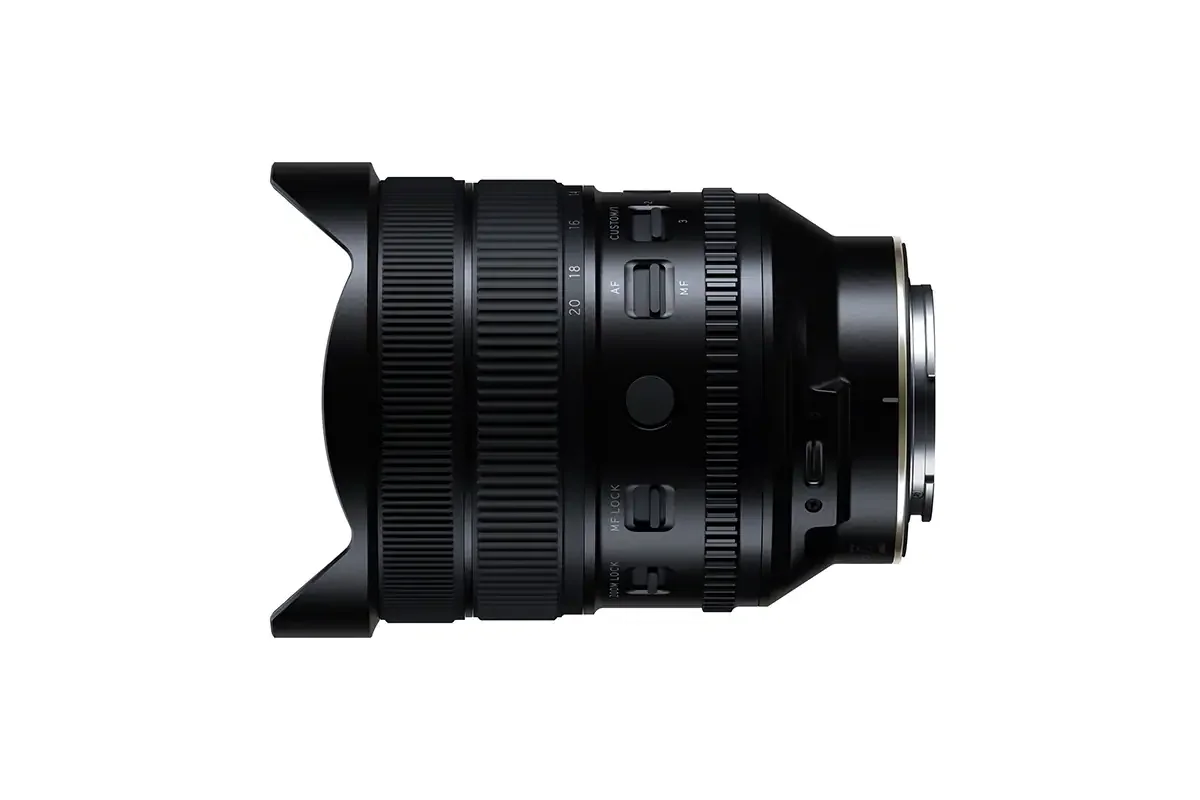
Tamron just made the ultra wide decision harder in a good way. The Tamron 12-20 vs 16-30 question is not a straight upgrade comparison, because these are not two versions of the same lens. One goes wider than almost anything at this price. The other has a range you can leave on the camera all day.
I own the Tamron 16-30mm f/2.8 G2 and shoot it on paid commercial work. The 12-20mm has been in my hands too, including a weekend with it on my Sony a1 on Anna Maria Island, so the build notes and sample images here are first-hand.
The focal range and filter sections are how I make lens decisions as a working photographer, built on that experience and Tamron's published specifications for the 12-20mm.
The same focal length decisions show up constantly in my commercial and industrial photography, where the machinery decides where the camera goes, not me. That is how I am judging both of these lenses.
My full review of the lens I already run is here: Tamron 16-30mm f/2.8 G2 on the Sony a1.
TAMRON 12-20mm F2.8 specifications and price
First, the name. The official product name is TAMRON 12-20mm F2.8 (Model A084). Tamron did not carry the Di III, VXD or G2 designations into the product name with this release, even though the lens still uses VXD autofocus. That matters here because the other lens in this comparison really is a G2, and calling both of them G2 muddies the whole conversation.
TAMRON 12-20mm F2.8 (Model A084)
At $1,699 the 12-20 lands at roughly half the price of the Sony FE 12-24mm f/2.8 GM at typical US list pricing, which is the only other lens offering a comparable angle of view at the same maximum aperture. If you need full-frame 12mm at f/2.8, that is a serious value argument.
Both lenses, Sony E-mount
The specialist. Twelve millimeters at a constant f/2.8, with a rear sheet filter system instead of a front thread.
The one I actually run. Wide enough for most of what I shoot, and 30mm on the long end means it stays mounted between setups.
The build is where the 12-20 surprised me
One of my favorite things about the 12-20mm is how tactile it feels. Before I even look at a file, the lens makes it clear Tamron changed something with this release.
The aperture ring is the standout. Having aperture on a physical ring, right where my hand already sits, makes the lens feel like a tool built for working instead of a spec sheet with a mount on it. It is the detail I notice every time I pick it up.
The build and overall feel are a real step up from the other Tamron lenses I have used. On a lens I would reach for in awkward, restricted positions, confident handling matters more than it sounds.
The new packaging adds to the whole experience. It sounds like a small thing, but opening the box sets the tone that this is a new generation of Tamron lens, and it matches the new naming and design language.
None of that changes the focal range math in the rest of this comparison. It does make the 12-20 a lens I enjoy picking up.
12mm is dramatically wider than 16mm
Four millimeters sounds like nothing until you are at the ultra wide end of a full frame lens, where each millimeter is doing far more work than it does at 200mm.
Going from 16mm to 12mm changes the photograph. You can exaggerate the distance between foreground and background, fit into interiors where backing up is not an option, photograph large industrial spaces from a position dictated by safety lines rather than composition, and build automotive interior perspectives that do not exist at 16mm.

Extreme width comes with an obligation. Everything near the frame edge becomes harder to manage. A 12mm lens can make a space look enormous and it can make a badly composed frame look ridiculous. Wider is not automatically better.

The 16-30 has the more practical range
What I like most about the 16-30 is the long end.
Thirty millimeters earns its place. It takes the lens from a wide environmental frame into something closer to a natural perspective without a lens change. On a commercial job where I am moving between a room, an environmental portrait, a product in context and a facility overview, that range is what keeps the camera working instead of sitting on a table while I swap glass.
The 12-20 is more specialized. If you buy it because 12mm solves a real problem in your work, that specialization is the point. If you buy it because wider sounds better, the 16-30 is probably the more useful lens.
The filter difference is the biggest practical gap
Most comparisons mention this and move on. It is the difference most likely to change your day.
The 12-20 uses a fixed integrated hood and has no front filter thread. Tamron provides a rear filter holder that accepts sheet-type filters, which you cut to size. The 16-30 G2 takes conventional 67mm front filters.
For still photography in ordinary light, you may never care. For long exposure architectural work, landscape, or any video where neutral density is part of how you control shutter, this changes your workflow completely. Cutting sheet filters to size in a parking lot before a shoot is not the same as threading on a variable ND.
If you go with the 16-30 and want the filter workflow
Sixty-seven millimeters is the 16-30 G2 thread size, which is one of the quiet advantages of that lens. A variable ND on the front is the fastest way to hold a shutter angle when the light changes between setups. This is the workflow the 12-20 asks you to give up.
Which is better for commercial interiors?
This is where the 12-20 gets interesting.
There are industrial spaces, restaurant interiors, vehicle cabins and small commercial environments where 16mm is not enough from the only position available. Twelve millimeters gives you another option, and sometimes it is the only option.
I would still not default to it. Commercial interior photography has to communicate a space without misrepresenting it, and extreme focal lengths distort scale and stretch objects near the edges. My rule is simple: use the least extreme focal length that solves the composition. If 16mm works, I want the more natural perspective. If the room physically requires 12 to 14mm, the A084 makes a photograph the 16-30 cannot.
Which is better for automotive photography?
For exteriors, I lean 16-30. Cars punish sloppy wide angle composition faster than almost any subject. Get close with an extreme lens and proportions go wrong immediately.
For interiors, 12mm opens things up. Dashboards, cabins, cargo areas and in-vehicle product placement all benefit from being able to go wider when the camera physically cannot move back. That makes the 12-20 particularly relevant to the automotive product photography I shoot, and to vehicle work where the interior is half the deliverable.
Which is better for industrial photography?
This might be the strongest single argument for the 12-20.
Factories are full of impossible camera positions. You cannot move a wall. You often cannot step into an active production area. Machinery, safety lines and floor markings decide where you are allowed to stand, and no amount of planning changes that on the day.
Four extra millimeters on the wide end matter there. In my commercial and industrial work, I can see the 12-20 being less of an everyday lens and more of a problem-solving one. That is not a knock. Some of the most valuable equipment in a commercial kit exists to make photographs nothing else can.
TAMRON 12-20mm F2.8 sample images
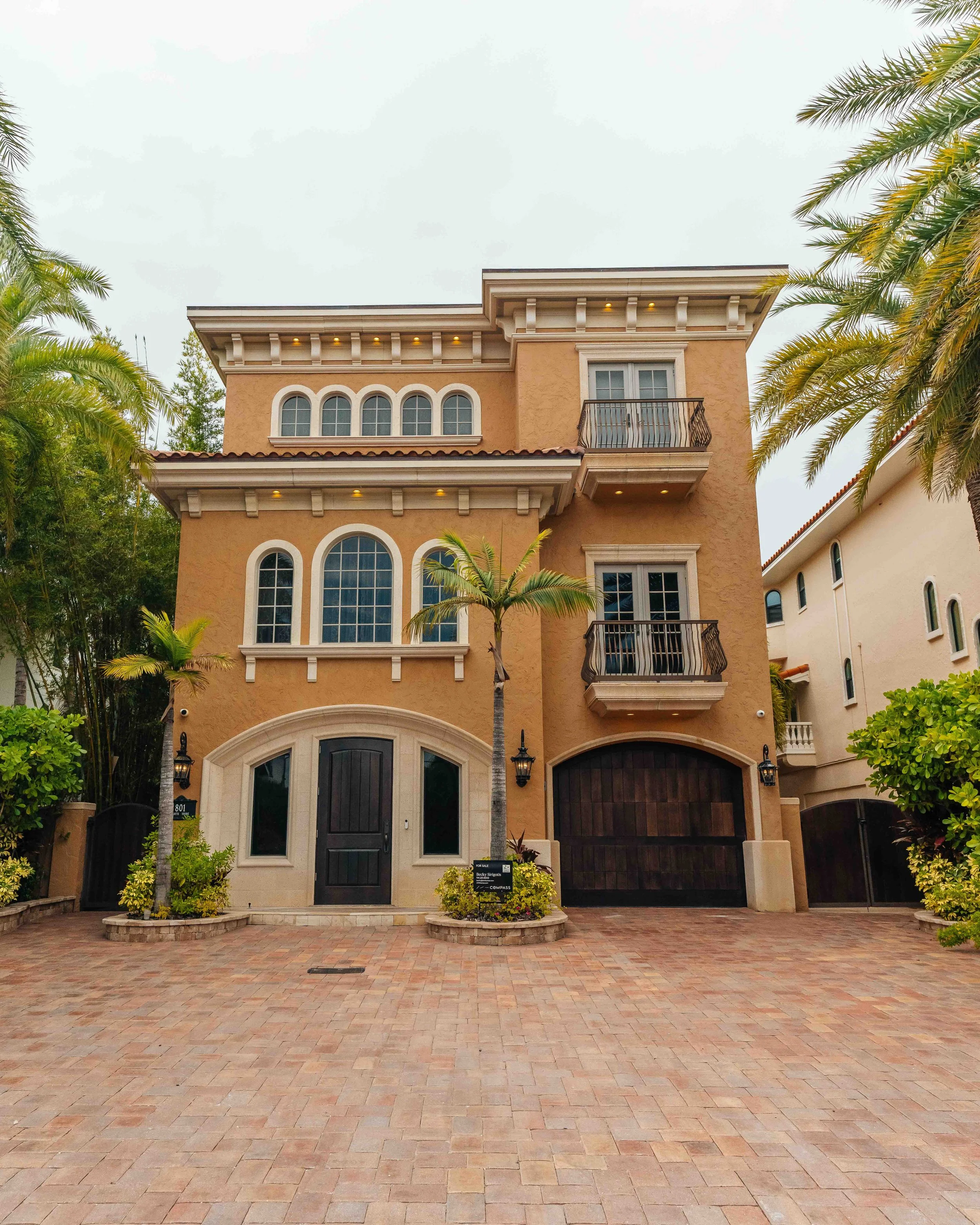
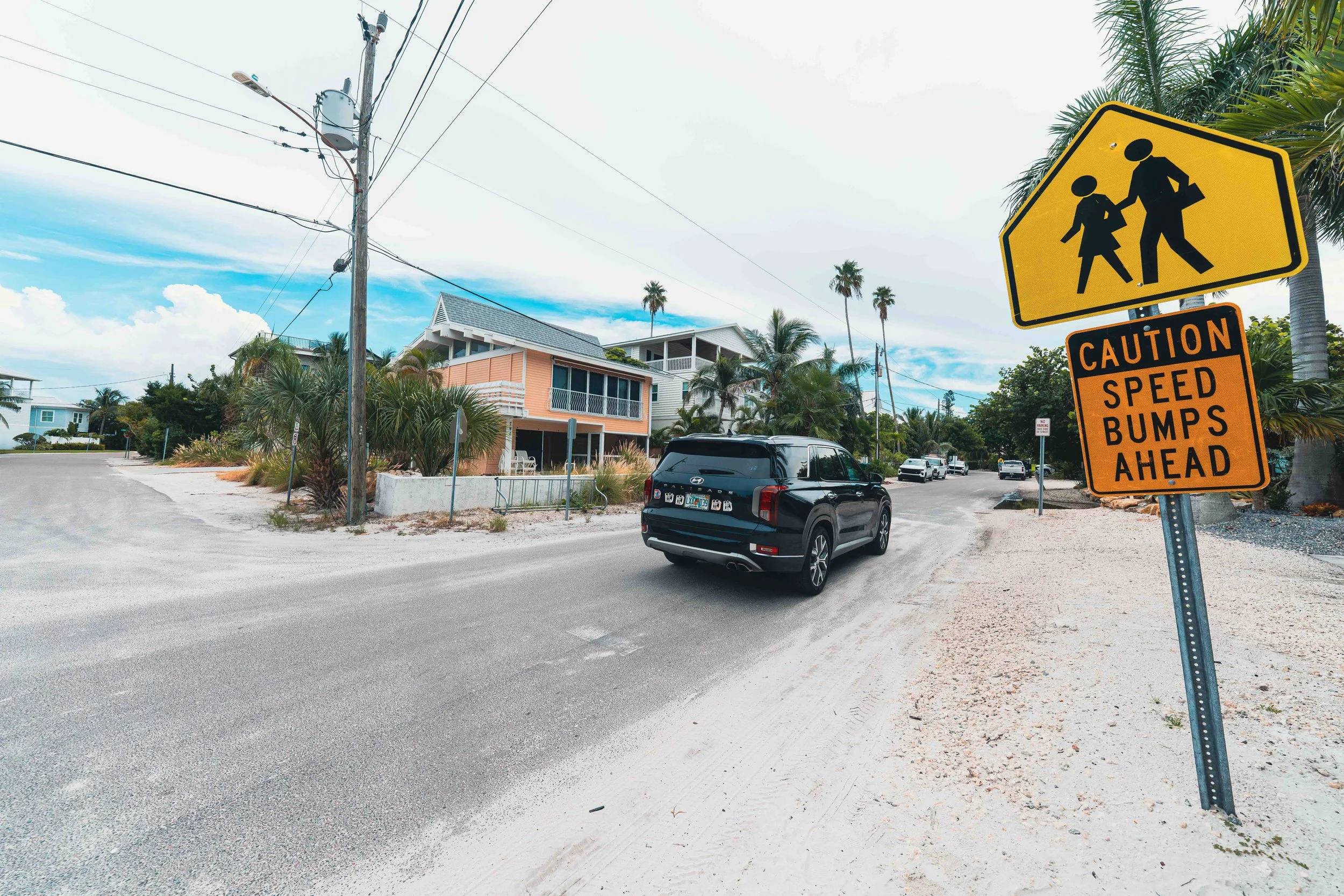
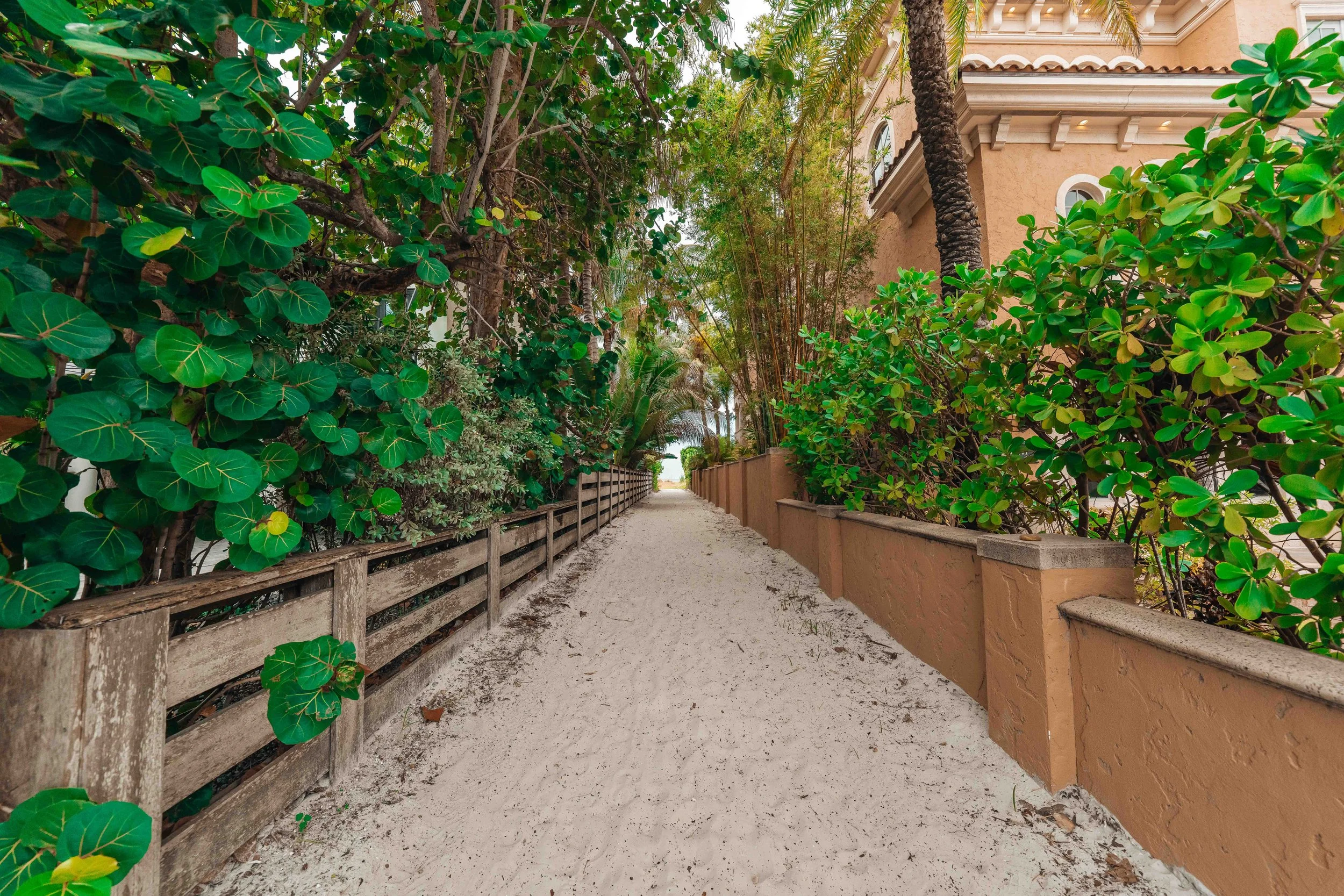
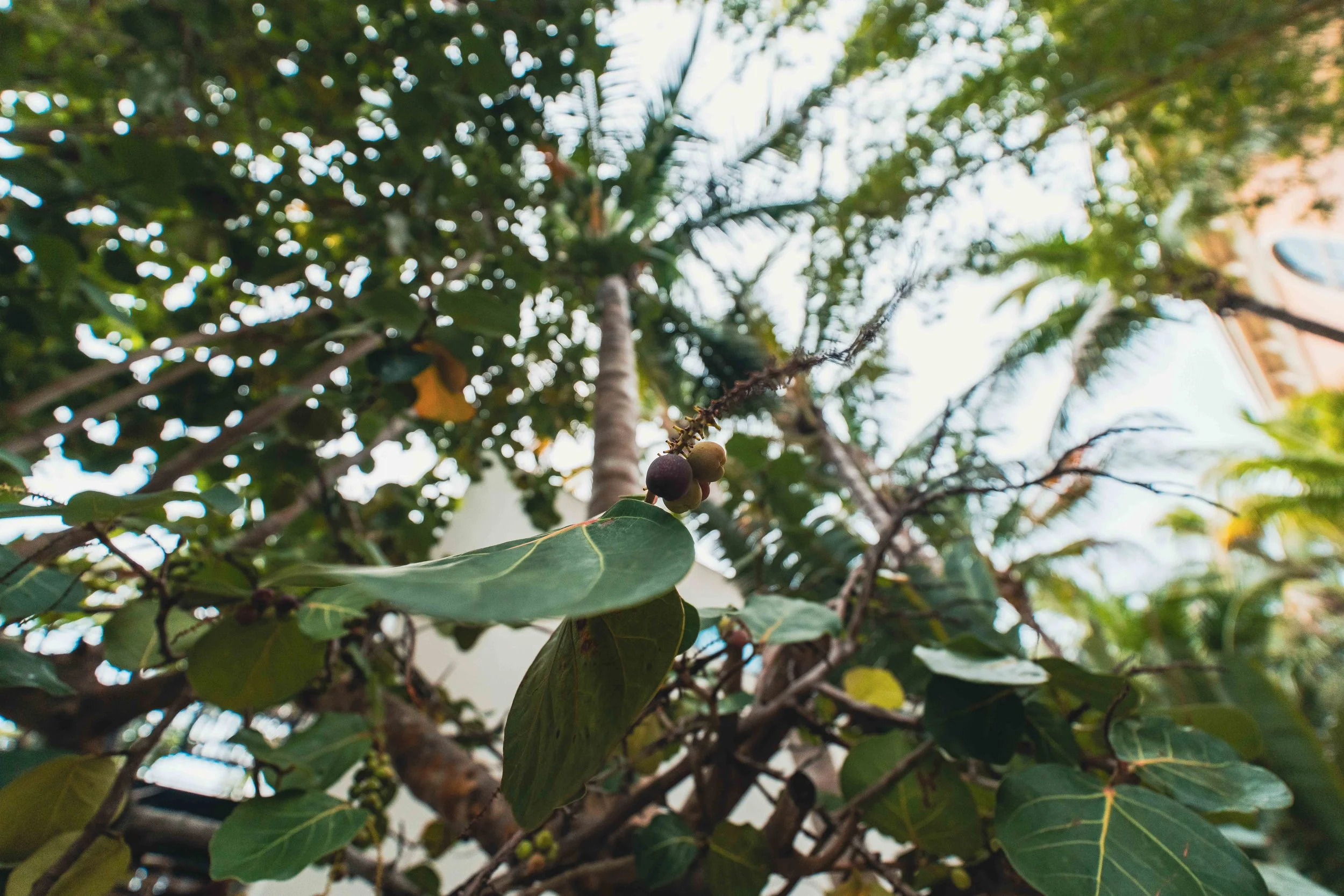
Every sample photo in this post was shot on the TAMRON 12-20mm F2.8 with my Sony a1 during a weekend on Anna Maria Island, on Florida's Gulf Coast. I put it through wide landscapes, architecture, environmental portraits and a lot of close focus work, because getting inches from a subject at the wide end is where an ultra wide shows its character.





Which would I choose?
For one Tamron ultra wide, the 16-30mm f/2.8 G2 still has the more versatile range. Sixteen is already wide, and 30mm is what keeps it mounted.
I would take the 12-20 if any of these sound like your work:
- You regularly run out of room at 16mm
- You shoot tight interiors
- You shoot vehicle cabins
- You photograph architecture or industrial facilities where camera position is restricted
- You want the look only 12mm gives you
If none apply, the 16-30 is the safer all-around choice. If several apply, the 12-20 starts making a lot of sense.
What about owning both?
For a working photographer, that is the real question. They overlap from 16 to 20mm, and I would still not call them redundant.
The 16-30 is the general purpose ultra wide. The 12-20 is the specialist. Is the specialist worth another spot in the bag? That depends on how often 16mm stops you from getting the frame you want. Answer that before you look at a single sharpness chart.
Small things that keep an ultra wide working
With a fixed hood you cannot reverse for storage, protection in the bag matters more than usual.
A front element you cannot cover with a flat filter picks up dust on location. Air first, cloth second.
Boring, and used constantly. A curved ultra wide front element shows every fingerprint at f/8.
Commercial and Industrial Photography
Facilities, interiors and the shots the room will not allow
Manufacturers, warehouses, breweries and B2B brands across Western Pennsylvania. I bring the glass that solves the position you are stuck with.
Start a ProjectFAQ
Is the Tamron 12-20mm F2.8 a G2 lens?
No. The official product name is TAMRON 12-20mm F2.8, Model A084. Tamron changed its naming and design language with this release and did not carry the Di III, VXD or G2 string into the product name, even though the lens still uses VXD autofocus. The 16-30mm f/2.8 Di III VXD G2 in this comparison really is a G2, so mixing the names causes real confusion.
How much does the Tamron 12-20mm F2.8 cost?
Tamron announced a US price of $1,699 for the Sony E-mount version, which went on sale July 30, 2026, and $1,799 for Nikon Z, which followed on August 27, 2026. Verify current pricing before buying, since street prices move.
How is the build quality on the Tamron 12-20mm F2.8?
It is a clear step up from the other Tamron lenses I have used. The lens feels tactile and solid in the hand, the physical aperture ring is my favorite detail, and the new packaging carries that upgraded feel from the moment you open the box.
Can you use filters on the Tamron 12-20mm F2.8?
Not conventional front-thread filters. The lens uses a fixed integrated petal hood and has no front filter thread. Tamron provides a rear filter holder that takes sheet-type filters cut to size. The 16-30mm f/2.8 G2 accepts standard 67mm front filters, which is simpler if you already own a filter kit.
Which Tamron ultra wide is better for commercial interiors?
The 12-20mm, when the room physically prevents you from backing up far enough at 16mm. That is a real problem in tight facilities and vehicle cabins. When 16mm does solve the composition, I prefer the more natural perspective and the flexibility of having 30mm on the long end.
Is 12mm noticeably wider than 16mm on full frame?
Yes, considerably. Four millimeters at the ultra wide end changes the photograph far more than four millimeters at the telephoto end. At 12mm you can fit into positions and spaces that are simply not workable at 16mm, and edge distortion becomes something you have to actively manage.
Should I own both Tamron ultra wides?
They overlap from 16 to 20mm, but they are not redundant. The 16-30 is the general purpose ultra wide you leave mounted. The 12-20 is a problem-solving lens for photographs the 16-30 cannot make. If 16mm regularly stops you from getting the composition, the second lens pays for itself.
Update log
September 26, 2026: Added first-hand build and handling notes on the TAMRON 12-20mm F2.8, including the aperture ring and the new packaging, plus 11 sample images shot on the lens.
August 19, 2026: Original publish.
More Tamron coverage: my 16-30mm f/2.8 G2 review, 35-100 vs 35-150, the 35-100mm review, my 35-150mm review, and the 90mm macro on the Sony a1. Everything currently in the bag is on my gear page.
I am Ian Jones, a commercial photographer in Pittsburgh and a Tamron Americas Ambassador. See what I do or start a project.
Sources: Tamron official announcement for the 12-20mm F2.8 Model A084, July 15, 2026, and Tamron published product specifications and US pricing. First-hand handling of the TAMRON 12-20mm F2.8, with sample images shot on the lens. First-hand use of the Tamron 16-30mm f/2.8 Di III VXD G2 on paid commercial assignments. Prices and availability change, so confirm before purchasing.