
Automotive Product Photography & Content for Accessory Brands
Studio and ecommerce imagery, campaign photography, installed vehicle context, real-world use, and short-form video for aftermarket parts, accessories, and gear. One product, photographed and filmed for every place it has to sell.
I shoot vehicle accessories because I build them into my own trucks. Racks, organizers, protective cases, lighting, recovery gear, storage. I know how a product mounts, where it sits, what fitment details a buyer scrutinizes, and which materials have to stay visible for the thing to look worth the price. That changes how I light it, which angles show the mechanism, which details get isolated, and what has to be shown once the product is installed.
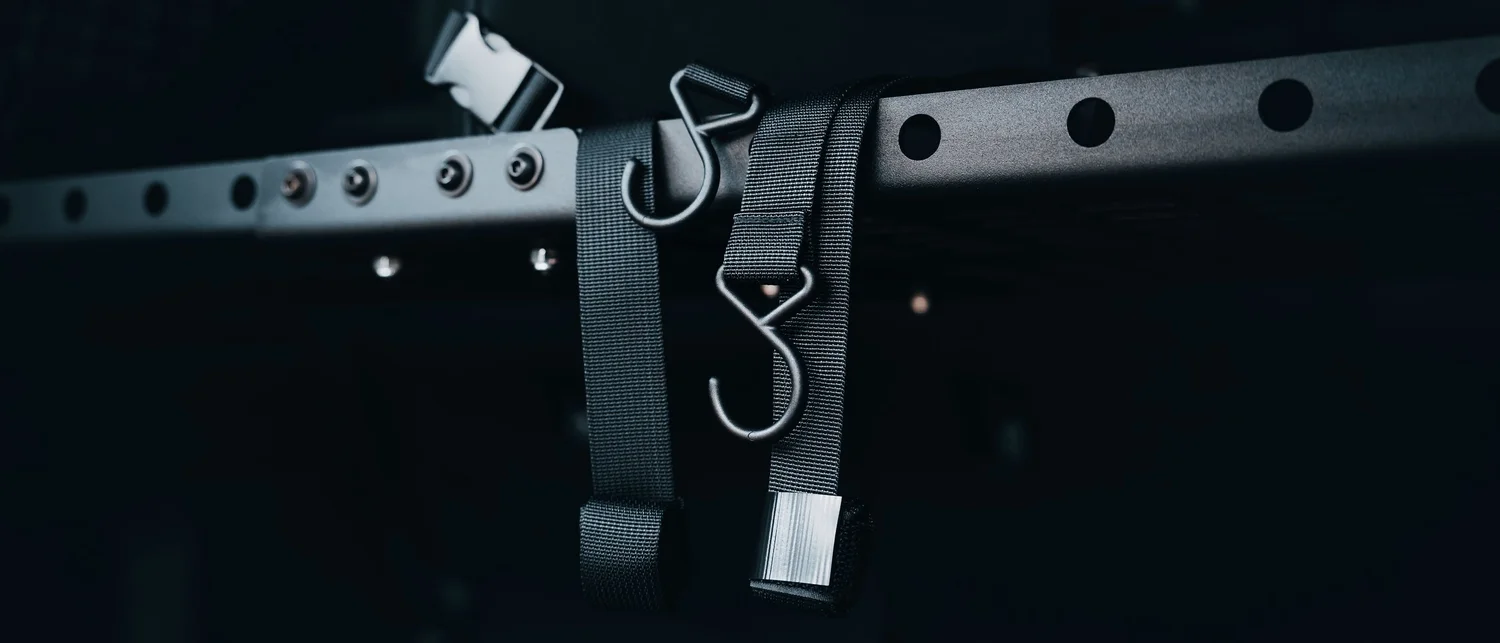
Built for brands whose product needs more than a studio shot to make sense.
An automotive accessory is a hard thing to sell from a spec sheet. Buyers want to know where it goes, if it fits, how big it actually is, and what it looks like once it is mounted, loaded, or in hand. Some of these products bolt to a vehicle permanently. Others ride in one, get carried out of one, or get used alongside one. Either way, a single clean studio frame rarely finishes the argument, and it usually takes more than photography alone.
Aftermarket accessory brands
Racks, storage, organizers, protection, lighting, recovery gear, detailing products, tools, bed and interior accessories, and the hardware that holds all of it on.
Brands launching a product
A new SKU headed for Amazon, Shopify, a retailer listing, or a direct launch, needing the full visual set built correctly the first time.
Brands that need context
Products that read as an abstract shape on white and only become obvious once a buyer sees them mounted, loaded, opened, carried, or in use.
Marketing teams building a content library
Studio imagery, campaign heroes, real-world photography, vertical video, and UGC source material produced together so the assets match across every channel.
One shipped sample can carry an entire launch.
The expensive way to build content is one production per channel. Studio photos in January, a campaign shoot in March, lifestyle in April, video in May, and four sets of assets that look like they came from four different brands.
Coordinating it into one production changes the economics. The product ships once. It gets photographed clean for the listing, shot with more control and impact for the campaign, mounted in a real vehicle, taken somewhere it would actually be used, demonstrated on camera, and cut into vertical content. Same product, same lighting language, same finish across everything.
- 01Pure white ecommerce hero
- 02Alternate studio angles and configurations
- 03Macro material and hardware detail
- 04Commercial campaign or launch hero
- 05Installed in a real vehicle
- 06Fitment and scale reference
- 07Environmental imagery where the product is actually used
- 08Product in active use, loaded, opened, adjusted, or handled
- 09Installation and setup sequence
- 10Vertical video, UGC, cutdowns, and social source material
Not every project needs all ten. Scope gets built around the product and where the assets are going, not from a fixed package.
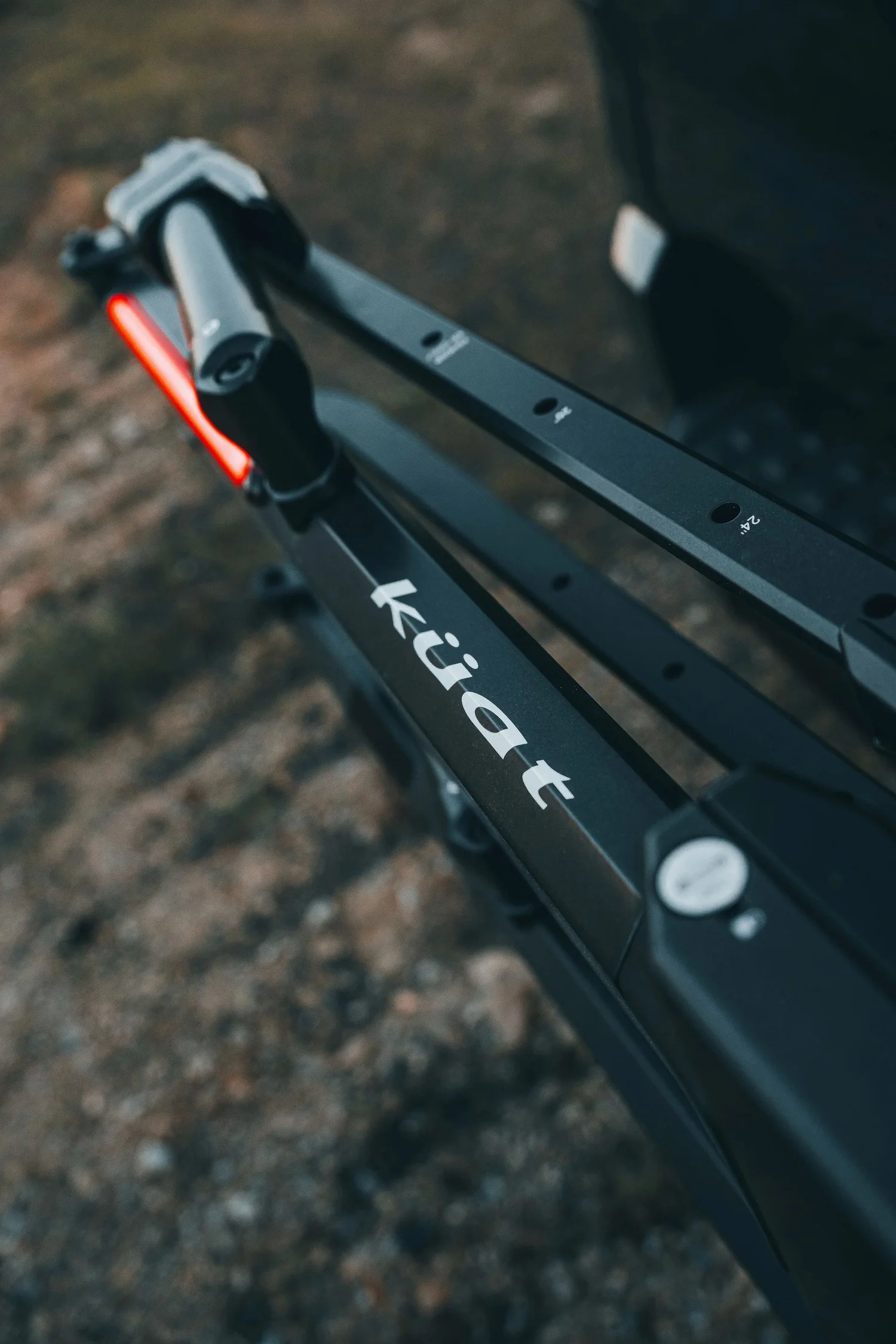
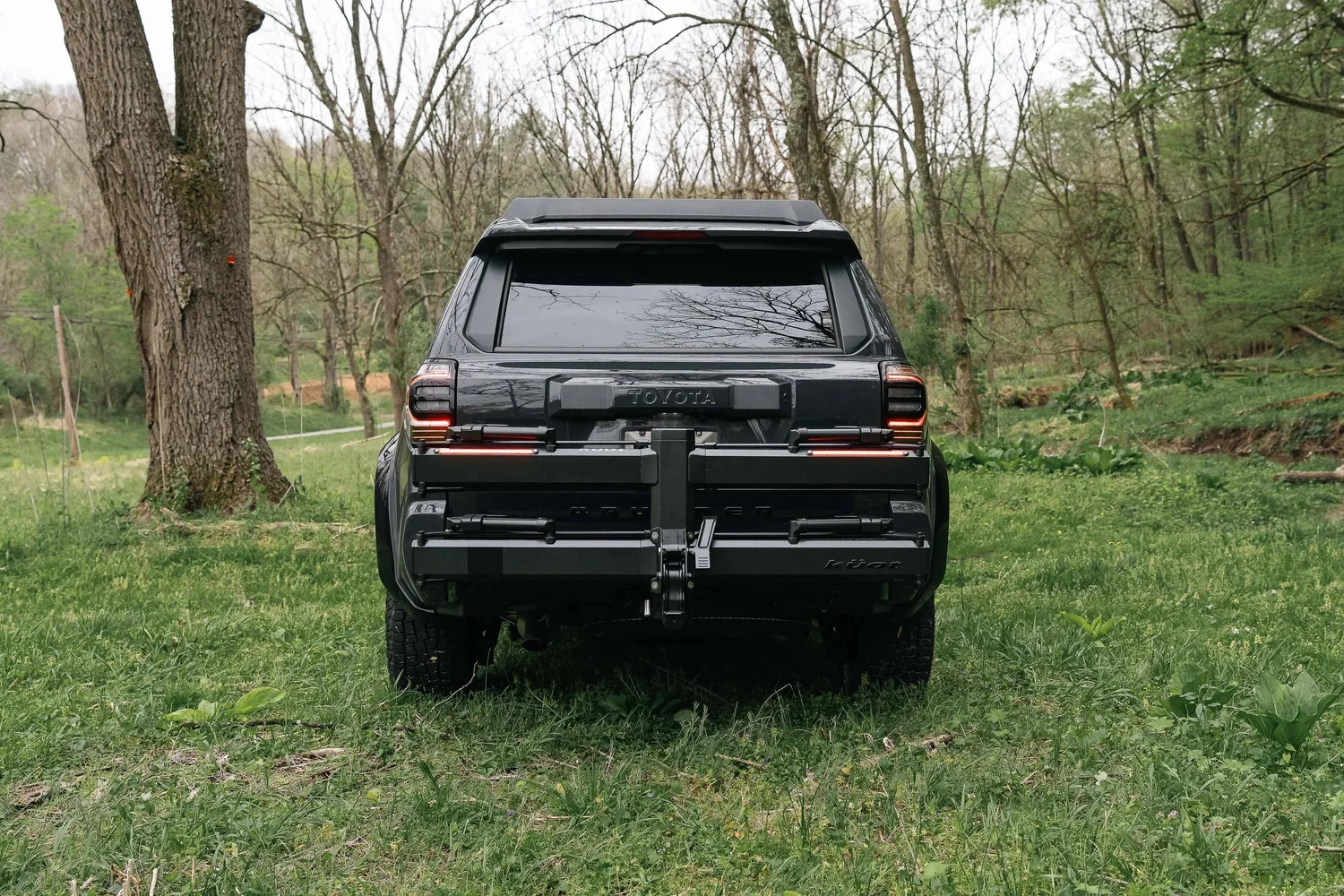
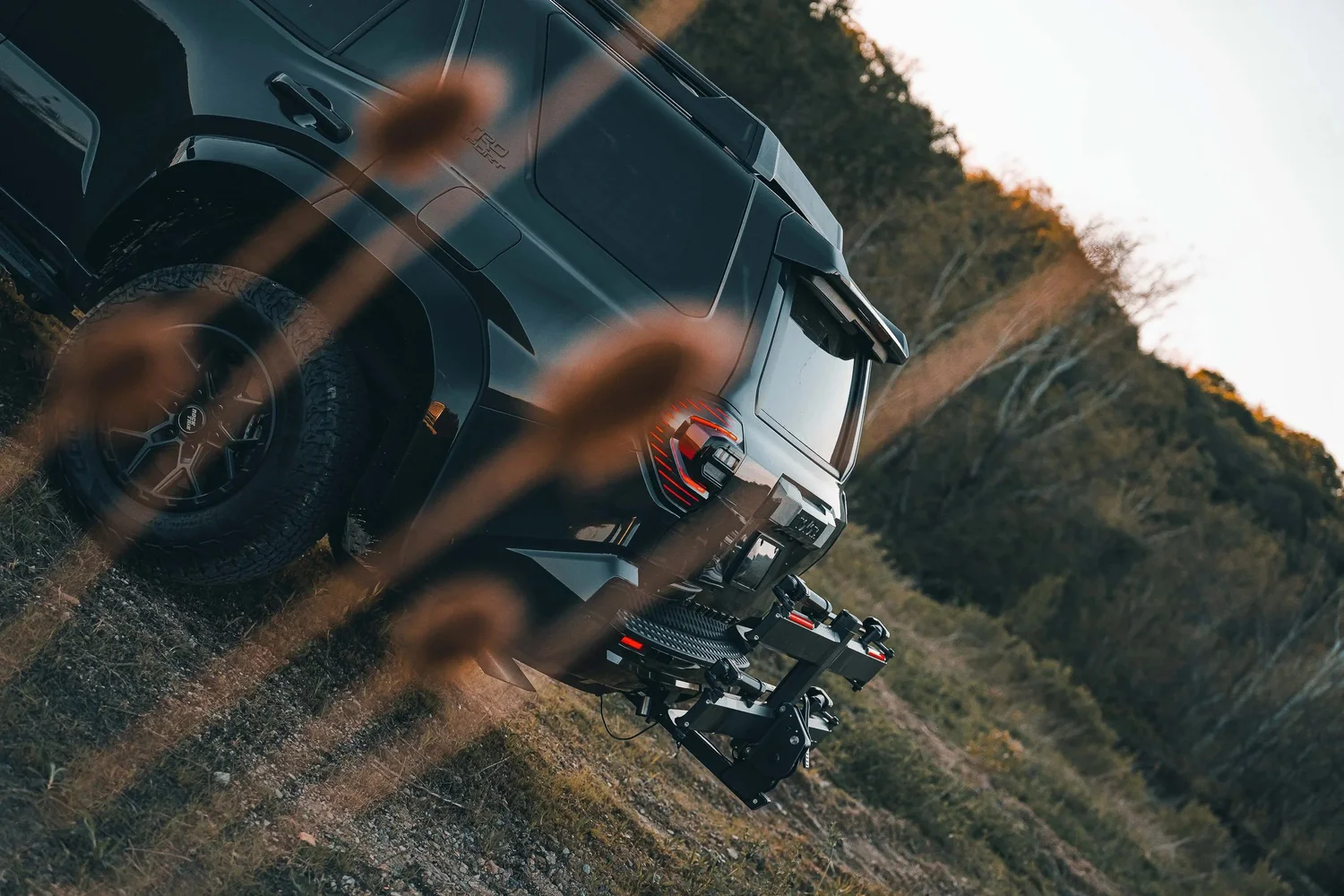
One product, three environments
The same product, shot clean for the listing and shot hard for the campaign.
Studio work is the foundation, and it does two different things. One is the neutral, compliant set a marketplace demands and a design team builds from. The other is the controlled, dramatic frame a launch page, an ad, or a banner needs. Both are studio photography. They are lit differently, framed differently, and built for different jobs, which is why the destination gets settled before the first frame.
Automotive accessories make both harder than they look, because the products are dark, multi-material, and built from hardware that has to stay readable at thumbnail size.
The campaign tier
Campaign and launch imagery
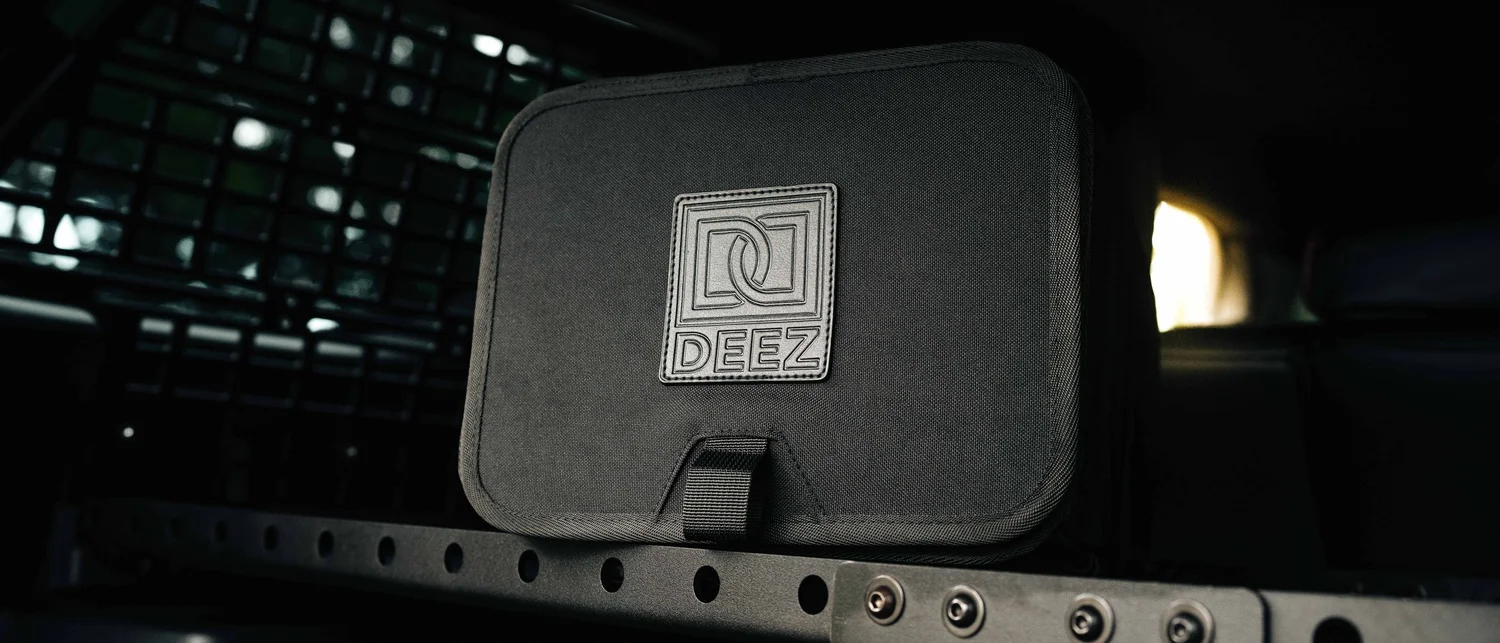
Controlled commercial product photography for launch pages, paid advertising, banners, dealer and promotional material, and brand campaigns. Dark sets, directional light, reflective surfaces, and water, dirt, weather, or texture where the concept earns it. Atmosphere is a decision made for a reason, not a default applied to anything automotive. More visual freedom than a marketplace listing allows, with negative space built in for headline and layout. The set changes. The product stays the subject.
One channel among several
Selling on Amazon? The main image still has rules.
Marketplace main images carry stricter requirements than anything else in the set. The background has to be true white. The product needs to fill the majority of the frame. No text, logos, borders, watermarks, or props that do not ship in the box. Resolution has to clear the threshold that enables zoom, which matters more for hardware than almost any other category.
Requirements change. I shoot and deliver to current spec at the time of production, and if an existing set has a problem I will flag it before we shoot rather than after.
Most photographers can light your product. Fewer can mount it correctly.
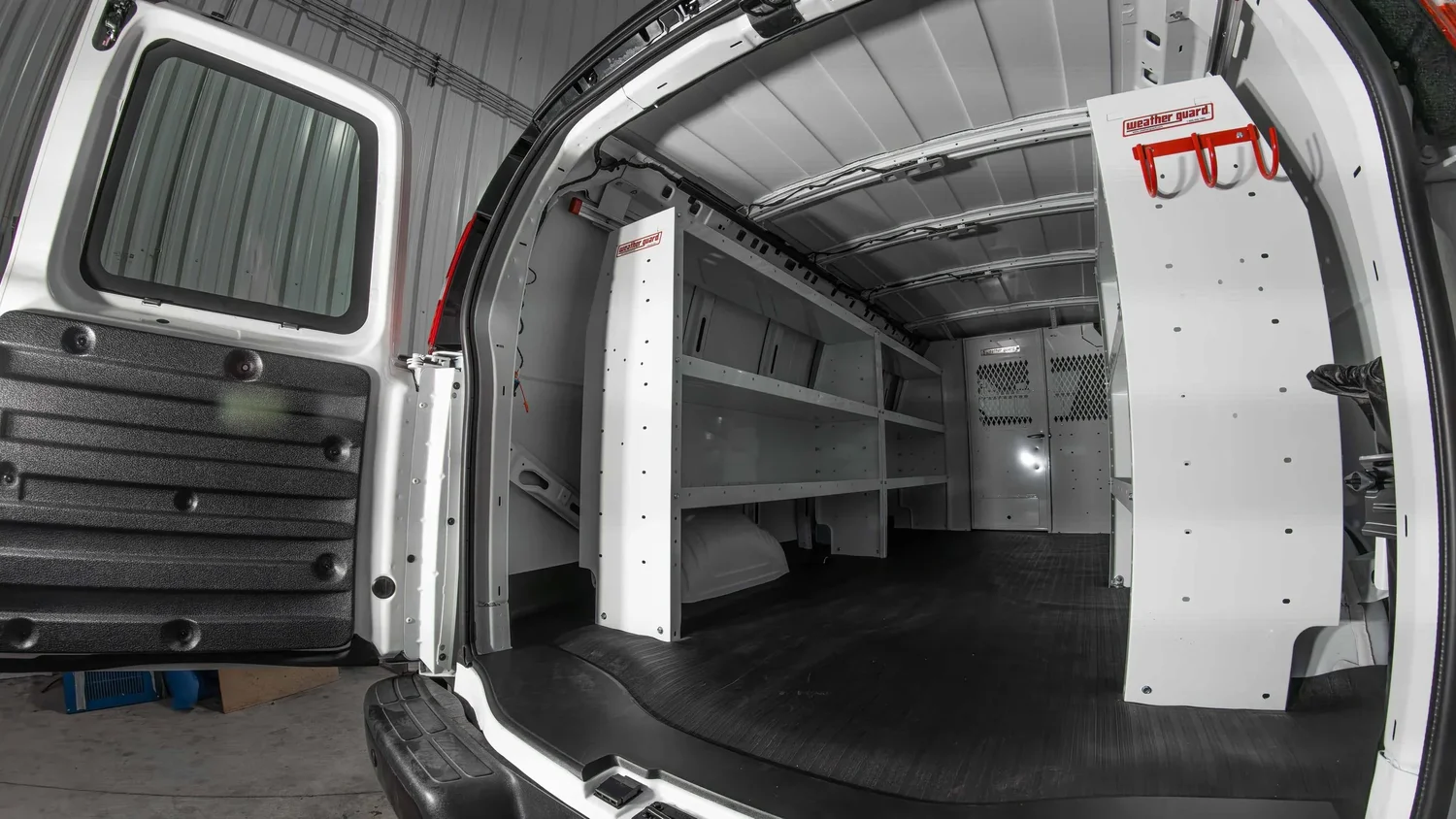
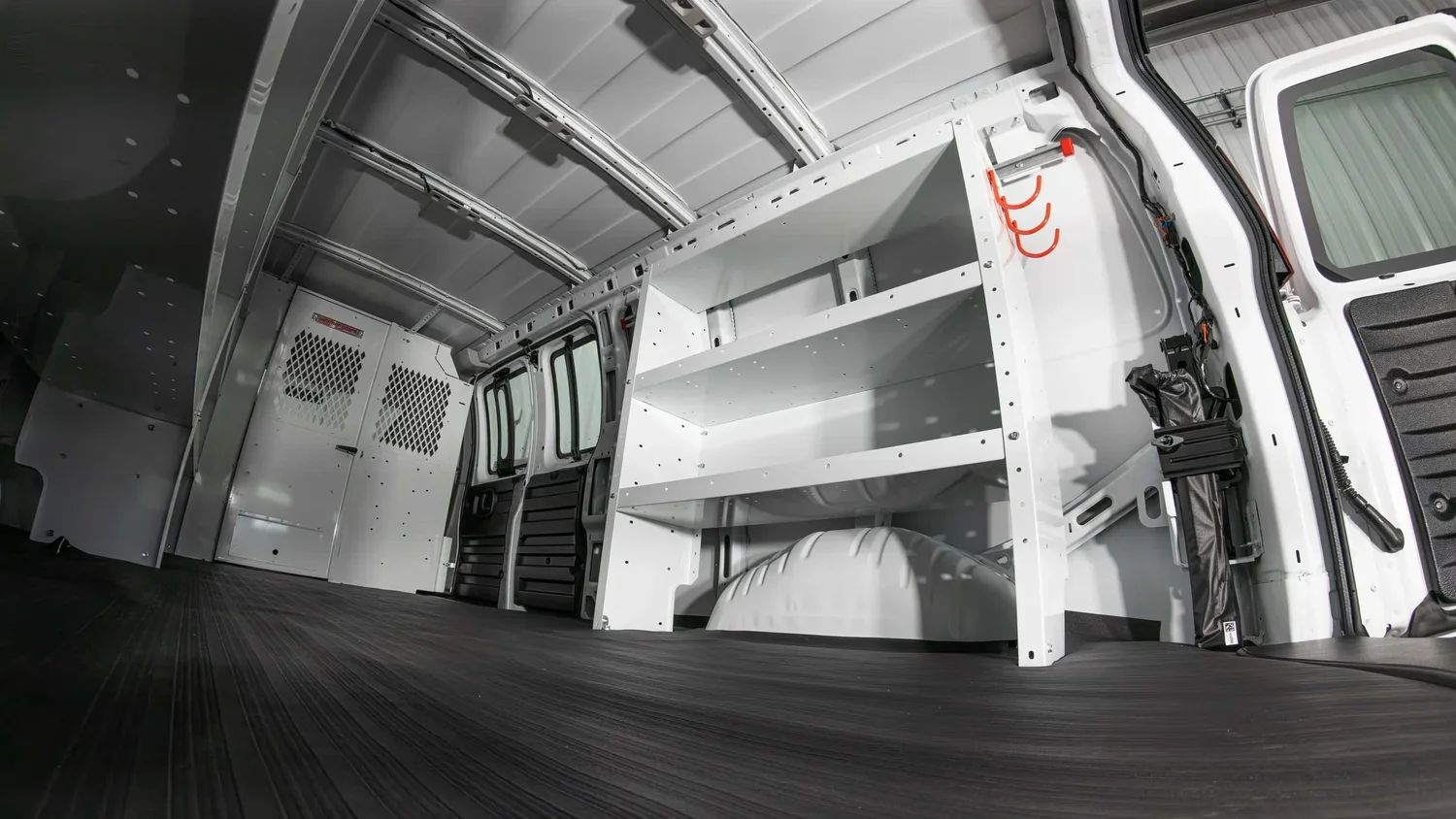
This is the part of the job that separates automotive accessories from general ecommerce. A rack, organizer, bed accessory, or mount does not fully explain itself until it is attached to something. Installed photography is functional communication, not lifestyle decoration. It answers the questions a buyer asks before they will spend money. For automotive brands, lifestyle product photography still has a functional job to do: honest scale, fitment, interaction, and the environment the product was built for.
- Where does this go?
- Will it fit my vehicle?
- How big is it in real terms?
- How does it attach?
- What does the mounting hardware look like?
- How much space does it take up?
- What can it hold?
- How does someone actually interact with it?
Mounted where it belongs
The product installed in a real, clean vehicle, shot so the mounting logic reads without a diagram. Fitment and hardware interaction visible, not implied.
Honest scale
Scale is one of the hardest things to judge from listing photography alone. Installed shots at honest scale, in context with a vehicle interior or bed a buyer recognizes, answer the size question faster than a dimension callout ever will.
The right environment
The environment matches the product and its buyer. A cargo organizer belongs on a road trip. A bed accessory belongs at a job site. A recovery product belongs outdoors and dirty. An interior organizer belongs in a daily driver with a coffee cup in the holder. A protective case belongs in the weather it was built for. Off-road styling on a product nobody takes off-road reads as costume.
Installation and use
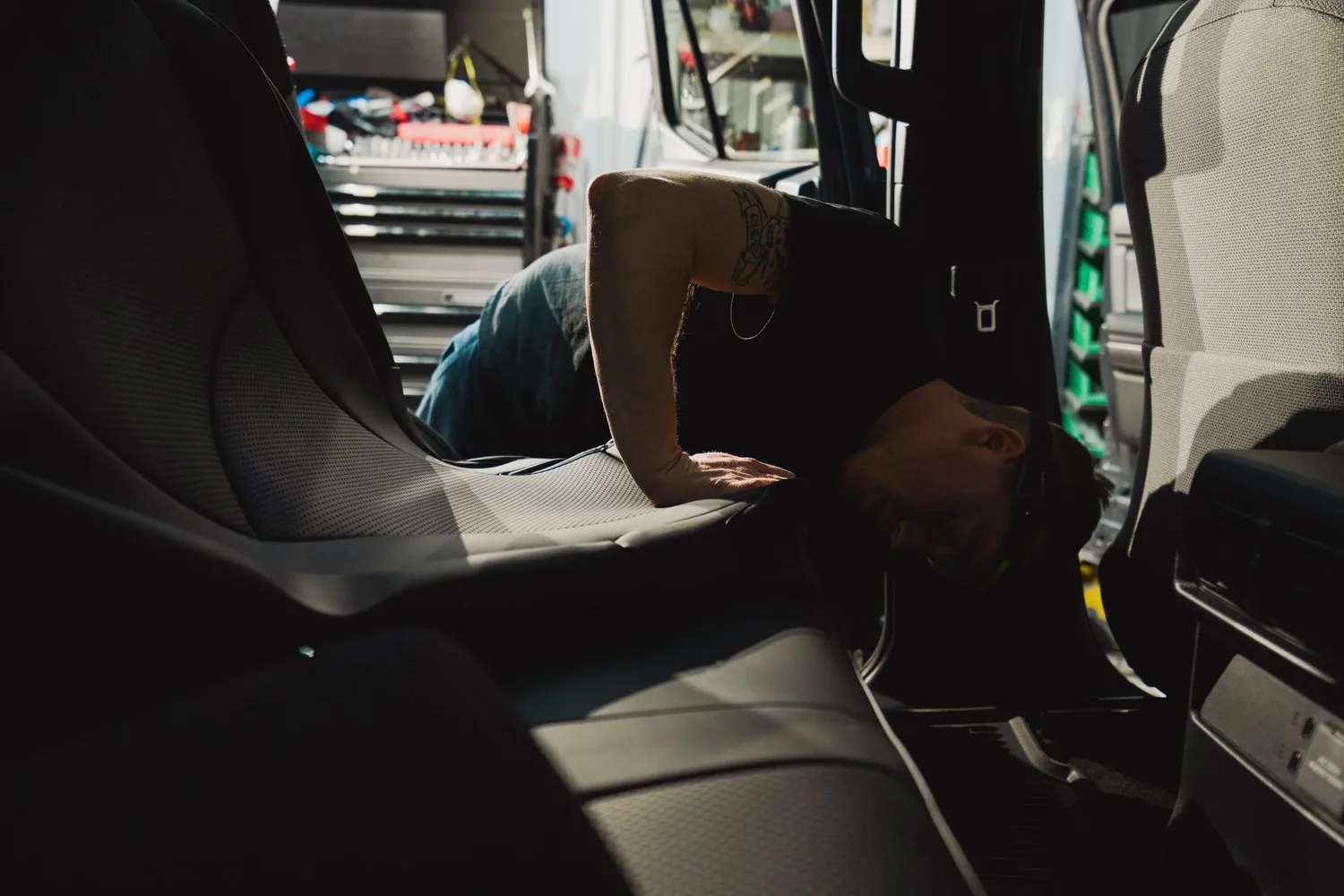
Product opened, closed, loaded, adjusted, removed, carried, and installed. Where the install itself is a selling point, the process gets shot as a sequence.
Environment planning
Studio, garage, install bay, driveway, road, parking area, trail, campsite, lake, job site, workshop. Environment selection is a production planning decision made before the shoot, based on what the product is for and what access the location requires.
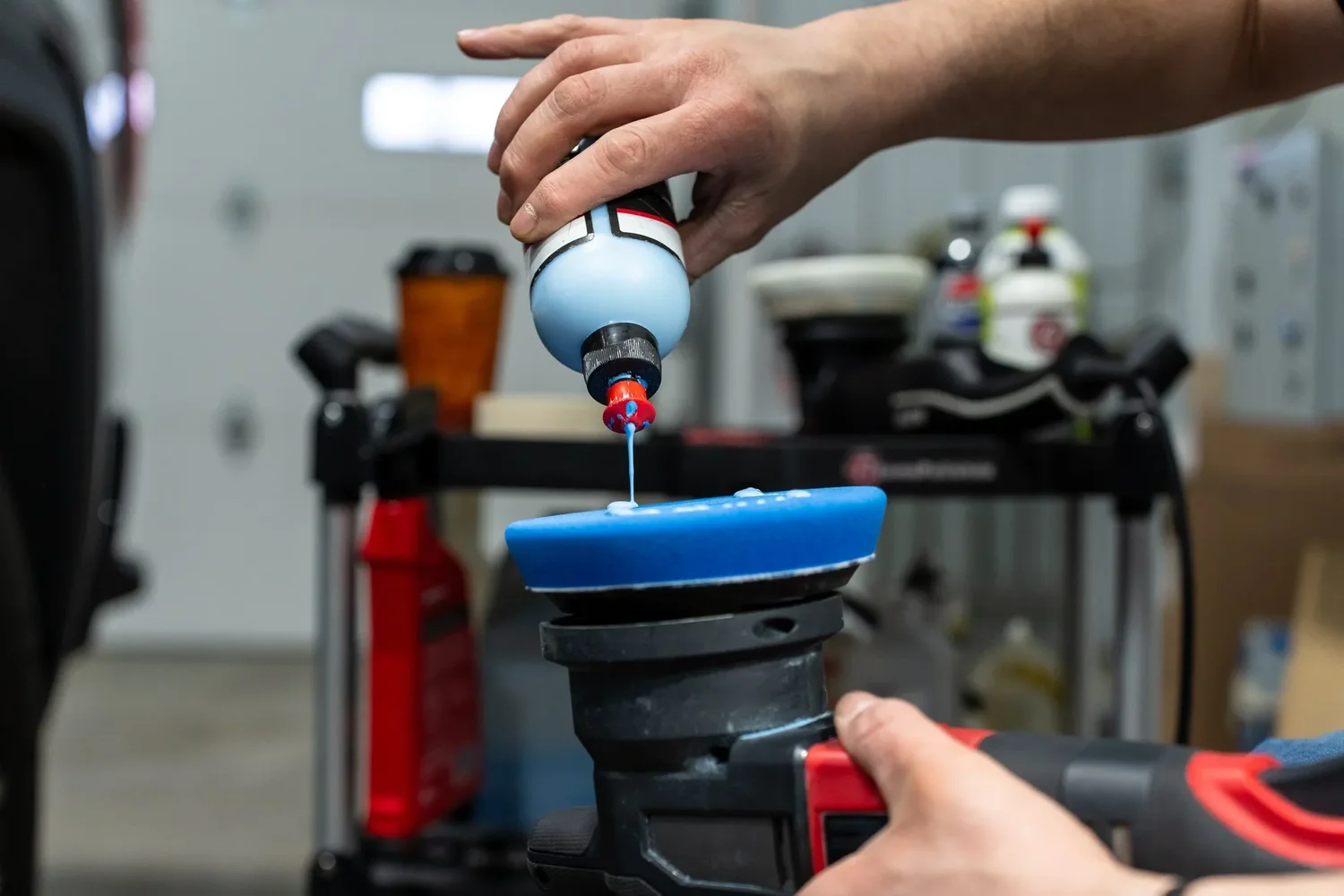
The video comes out of the same production.
A product that needs installed photography usually needs motion too, because the thing being sold is a mechanism. A strap tightening, a lid closing, a rack loading, a bag filling. Product videography comes out of the same production, so the video matches the photography instead of looking like it came from a different brand six months later.
That covers both ends of the range. Polished commercial video for a launch page or a paid placement, and creator-style vertical content that reads as a real person using the product. Which one a brand needs depends on where it is running.
Vertical demonstration
9:16 content built for Reels, TikTok, and Shorts. Product in hand, in the vehicle, doing the thing it exists to do.
Feature walkthrough and install
Setup, mounting, adjustment, and the before and after. The footage that answers the comment section before anyone types the question.
Creator-style content
Handheld, POV, and talking-to-camera formats where the product benefits from a person using it rather than a locked-off studio angle.
Paid and organic source material
Detail clips, b-roll, and cutdowns delivered so a media buyer or social manager can assemble variations without booking another shoot.
Black gear on a white background is the hardest thing in the category.
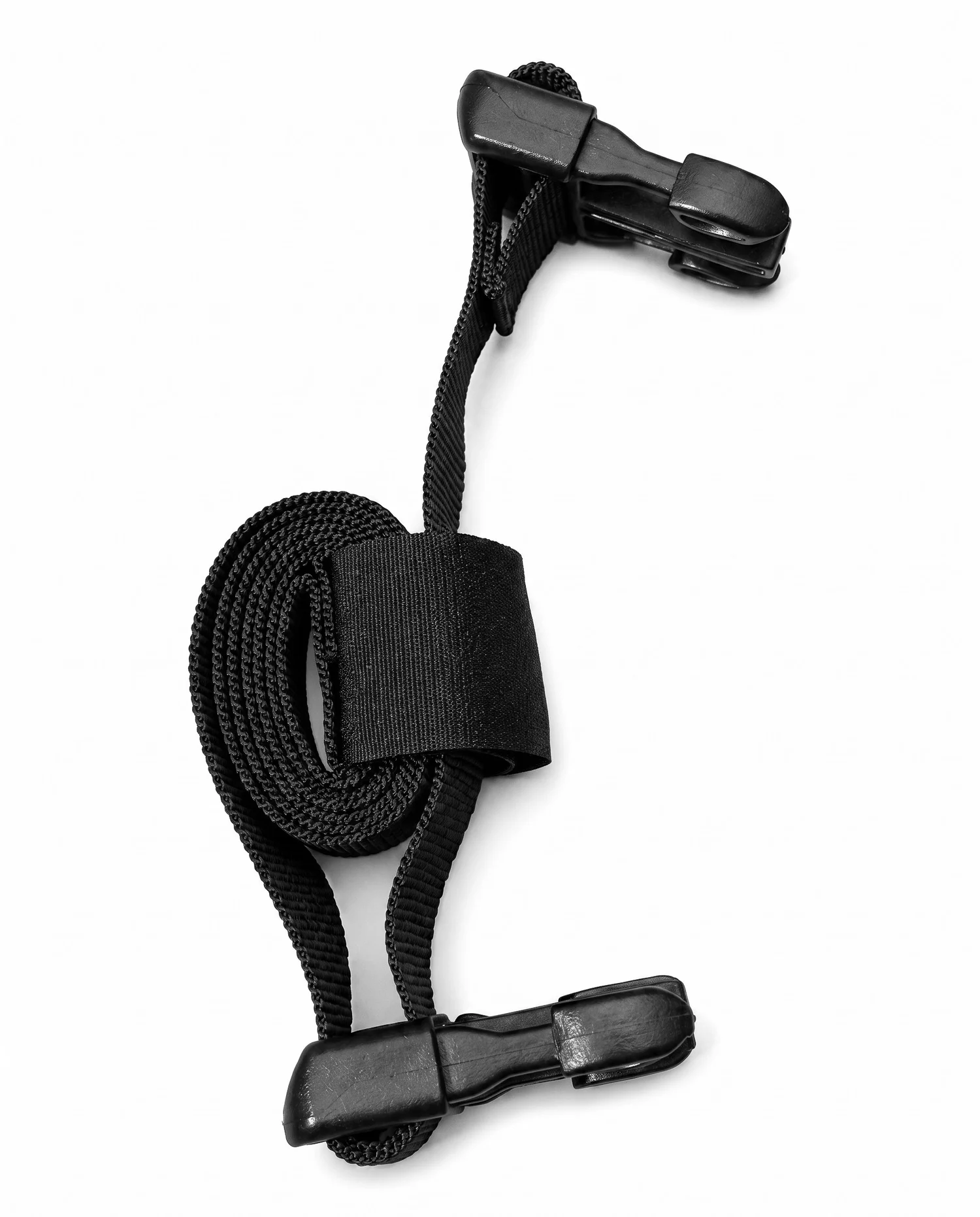
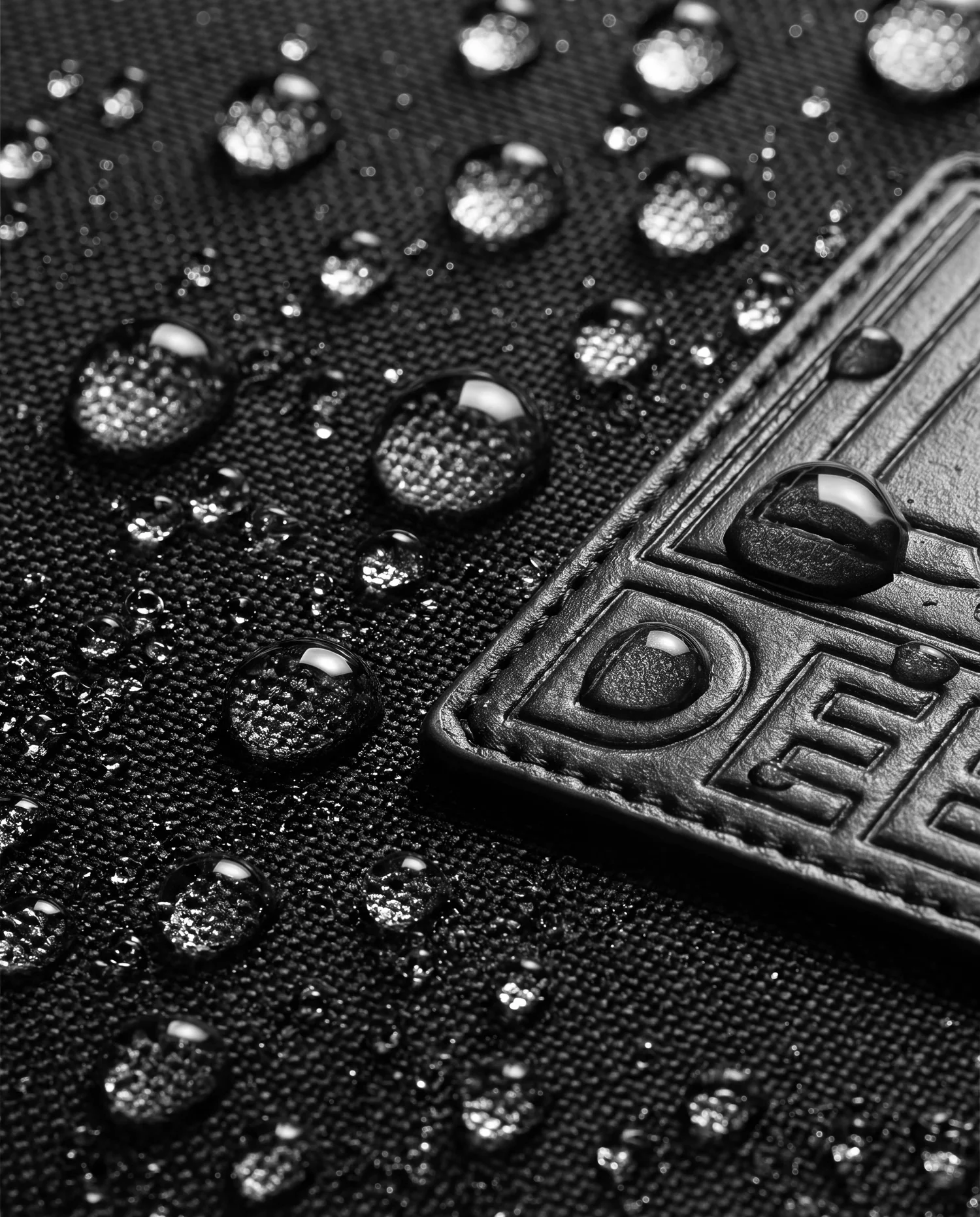
Most vehicle accessories are black. Black nylon, black webbing, black PEVA liner, molded plastic, powder-coated steel, rubber, and hardware, frequently all on the same product. Photograph that with a flat, even light and every one of those materials collapses into a single silhouette. The product loses its edges, its texture, and every detail a buyer would use to judge quality.
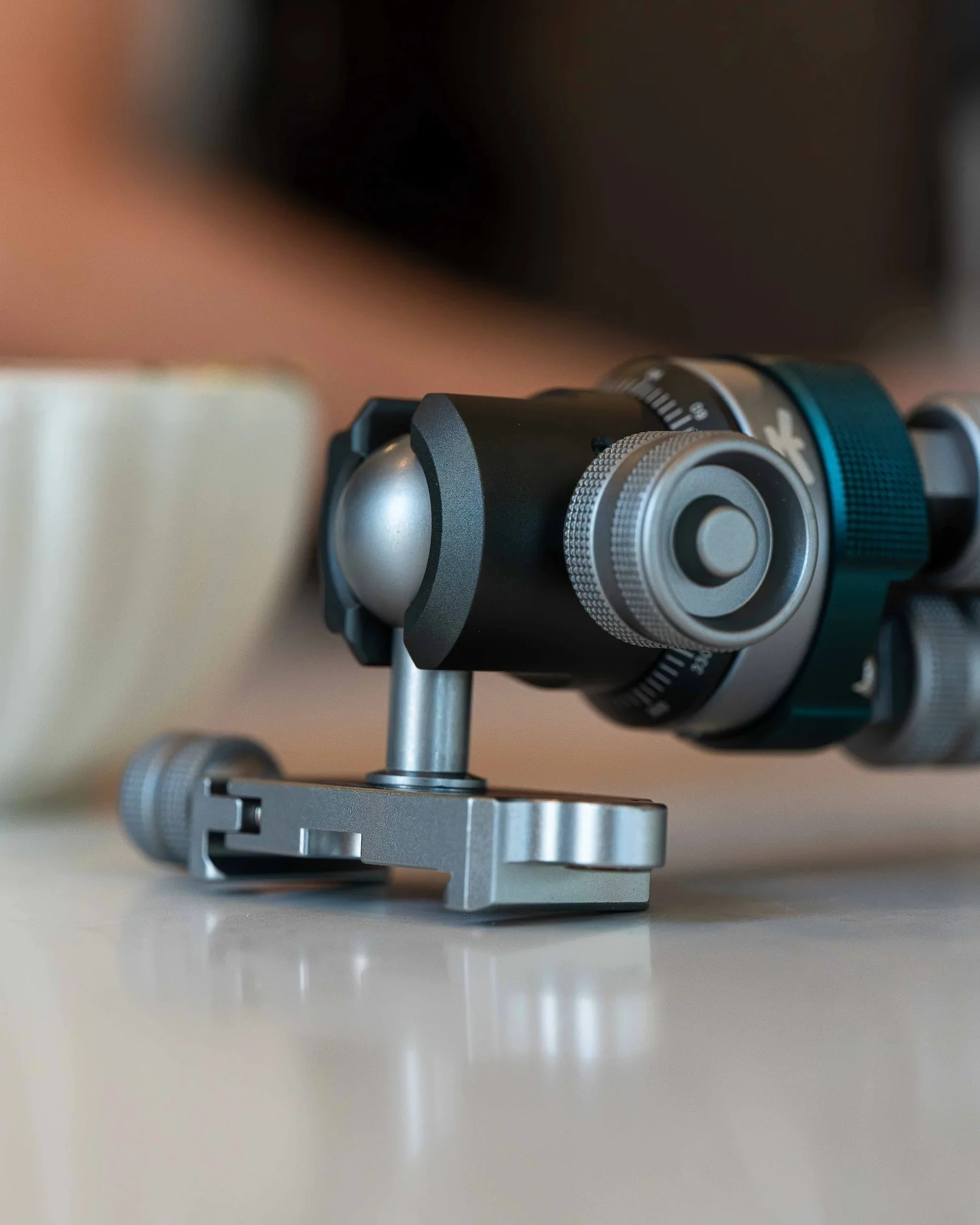
Separation comes from directional light, controlled reflection, and deliberate edge work. Woven fabric, molded plastic, and machined metal separate by texture and specularity, which means the light has to rake across surfaces rather than flood them. That is a lighting problem, not a retouching one, and it is the reason a category specialist is worth hiring for a product that photographs as one dark shape.
Material separation
Matte and satin surfaces reflect differently. Stitching catches light at an angle flat light never finds. Hardware needs a specular hit to read as metal. Each material gets treated as its own subject inside one frame.
Fit and scale
An accessory buyer's first question is fitment. That is answered with installed context at honest scale, supported by studio angles that establish proportion, not by a dimension graphic on a white background.
Hardware legibility
Buckles, clamps, mounts, and fasteners are the mechanism under evaluation. They need to be shot tight enough to understand and lit hard enough to read at the size the buyer will actually see them.
Raking light across black material, texture and edges held
The same product needs different images depending on where it lands.
A marketplace main image, a campaign hero, and a paid social frame are not the same picture cropped differently. The destination changes the lighting, composition, framing, background, and what has to be legible. Knowing where an asset is going before production is what makes the final set useful across channels.
Gear brands, vehicle brands, and my own builds.
I shoot for brands that make protective and vehicle gear, and I document my own truck builds at the same commercial standard. The build pages are not portfolio filler. They are where I work out how accessories photograph, how hardware lights, and how installed context reads before a client's product ever reaches the studio.
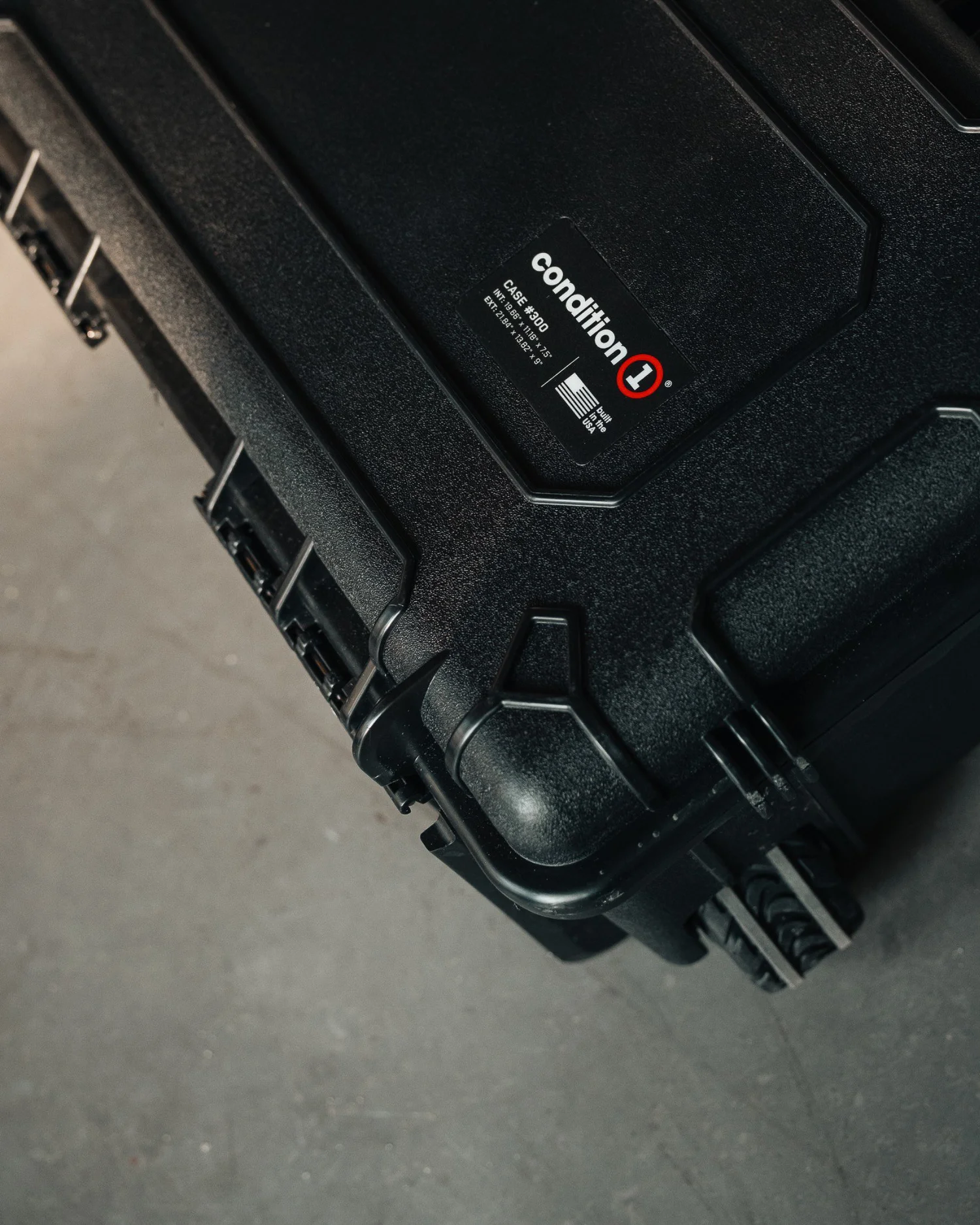
- Condition 1
- WeatherTech
- ProMaster
- Tamron
- Kuat
- Xtreme Car & Truck
- Arcade1Up
- Char-Broil
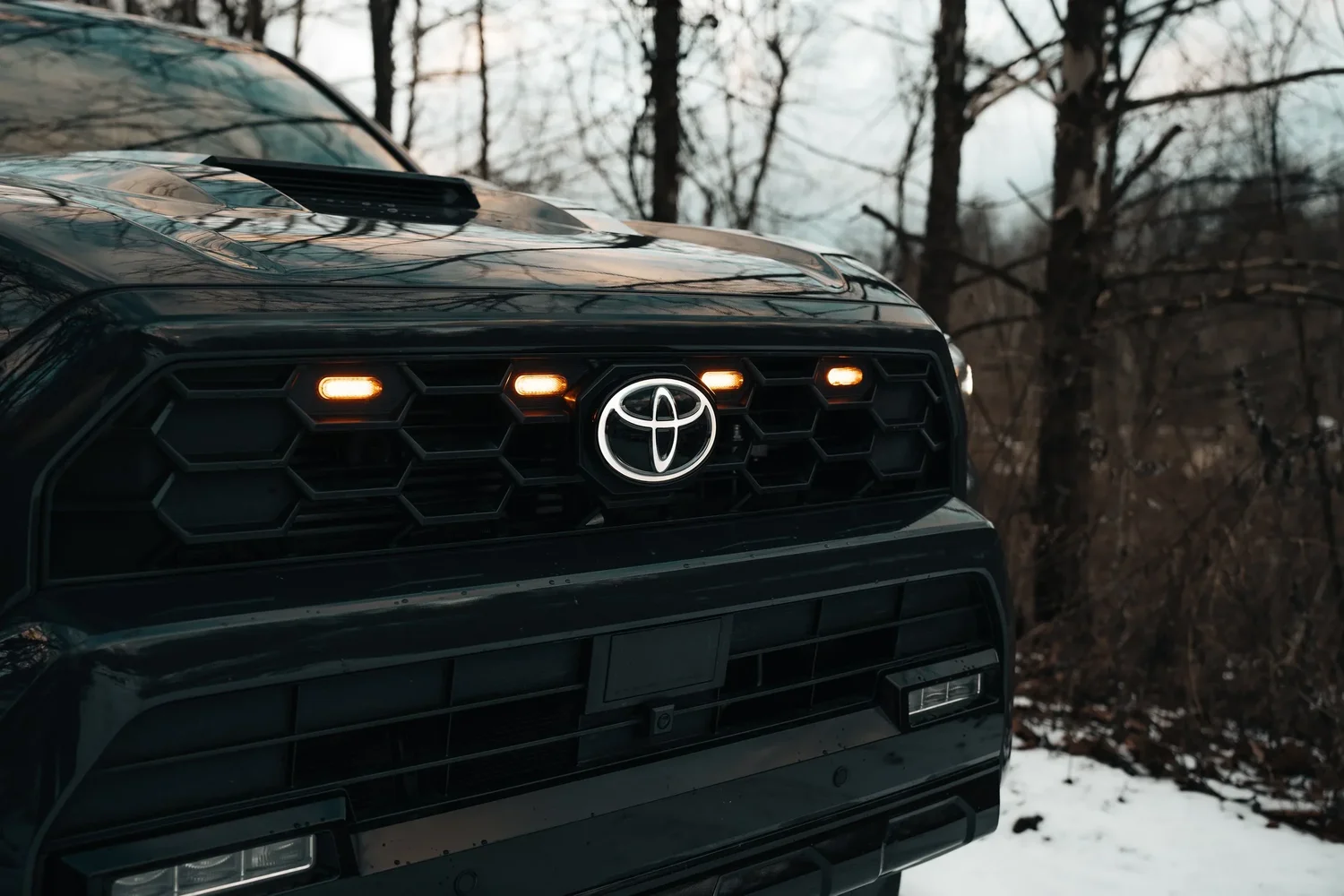
My 4Runner build
Every accessory on this truck was mounted, shot, and documented. Racks, storage, lighting, and recovery gear, photographed as products and as installed context.
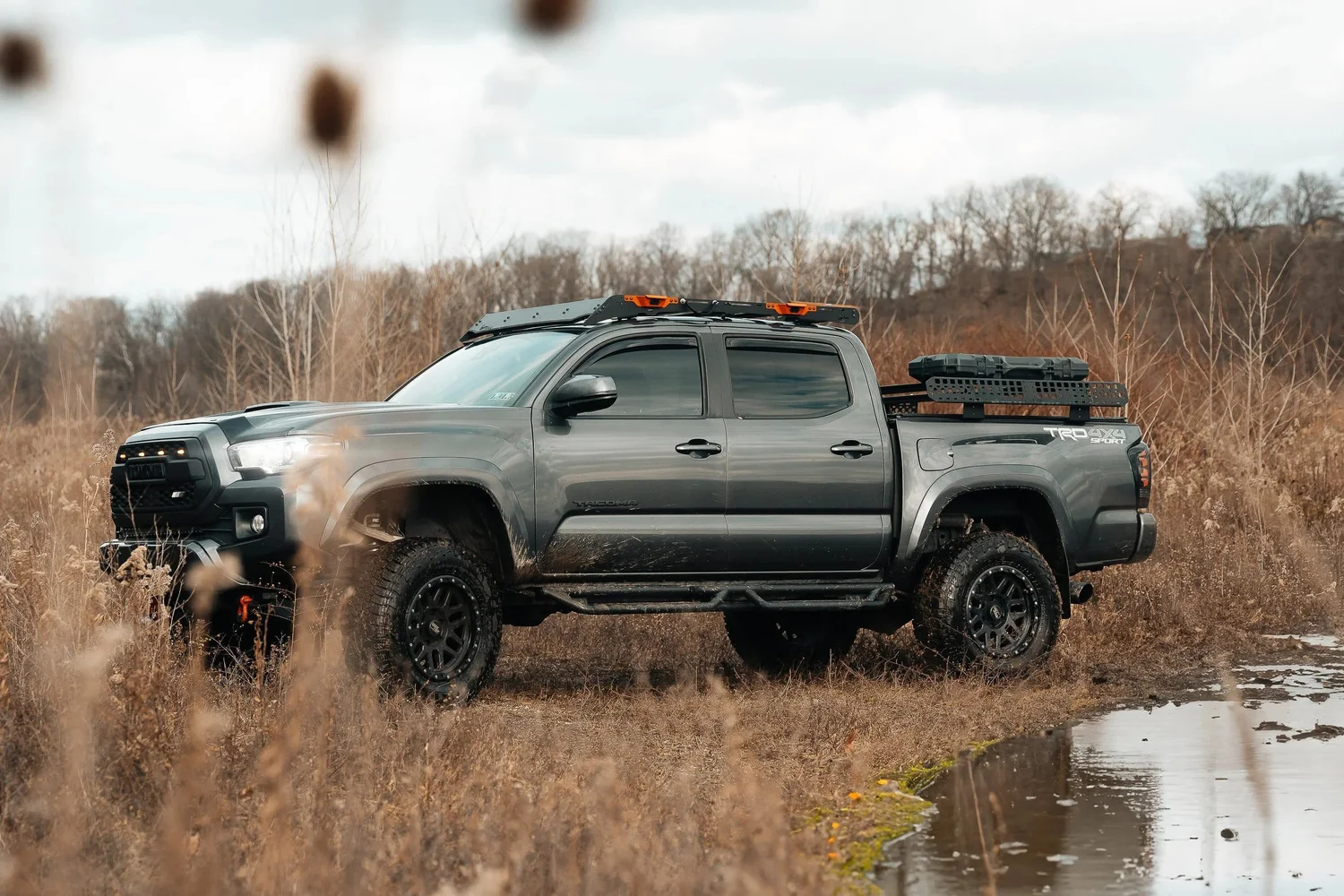
My Tacoma build
A second platform, a second set of accessories, and a working reference for how gear photographs across different vehicle interiors and bed configurations.
You send the product. I build the content around it.
Most of this work is remote. Brands ship a sample to the Bridgeville studio and get finished assets back by download. Western PA brands can drop off or book on-location. If installed or environmental content is part of the scope, vehicle compatibility and location get settled before anything is shot.
Send the details
Product, materials, intended customer, platforms, launch timing, and vehicle compatibility if installation is involved. Any shot list your design team has already specified. I respond inside 24 hours with a plan and a quote.
Build the content plan
I map out which mix of studio, ecommerce, campaign, installed, environmental, and video assets the product actually needs, and where each one is going. Scope gets written down before the shoot, not after.
Ship the sample
One sample is usually enough. Multiple colorways or configurations should be sent if they need to be shown separately.
Production and delivery
Photographed and filmed to the agreed plan, retouched, and delivered at full resolution to spec for each destination. Commercial usage rights defined in writing.
Automotive product photography and content questions, answered.
If you do not see your question here, send the basics on the contact page and I will reply within 24 hours with a plan and a quote.
Do you shoot to Amazon main image requirements?
+
Can you photograph the product installed in a vehicle?
+
Can you shoot campaign imagery, not just listing photos?
+
Can you produce video or UGC in the same project?
+
Can you photograph the product in a real environment?
+
Can I ship the product to you, including from outside the US?
+
Do I need to be at the shoot?
+
What if I need both ecommerce photos and social content?
+
Can my agency use the photography for infographics and A plus content?
+
How is this different from general product photography?
+
Do I get commercial usage rights?
+
What is the turnaround?
+
What happens to the product afterward?
+
Launching an accessory? Tell me what it is and where it needs to sell.
The content plan is built around the product, its materials, and where the finished assets need to work. Send the details and I will map out the right mix of studio, installed, environmental, campaign, and video content, then come back with a plan and quote inside 24 hours.