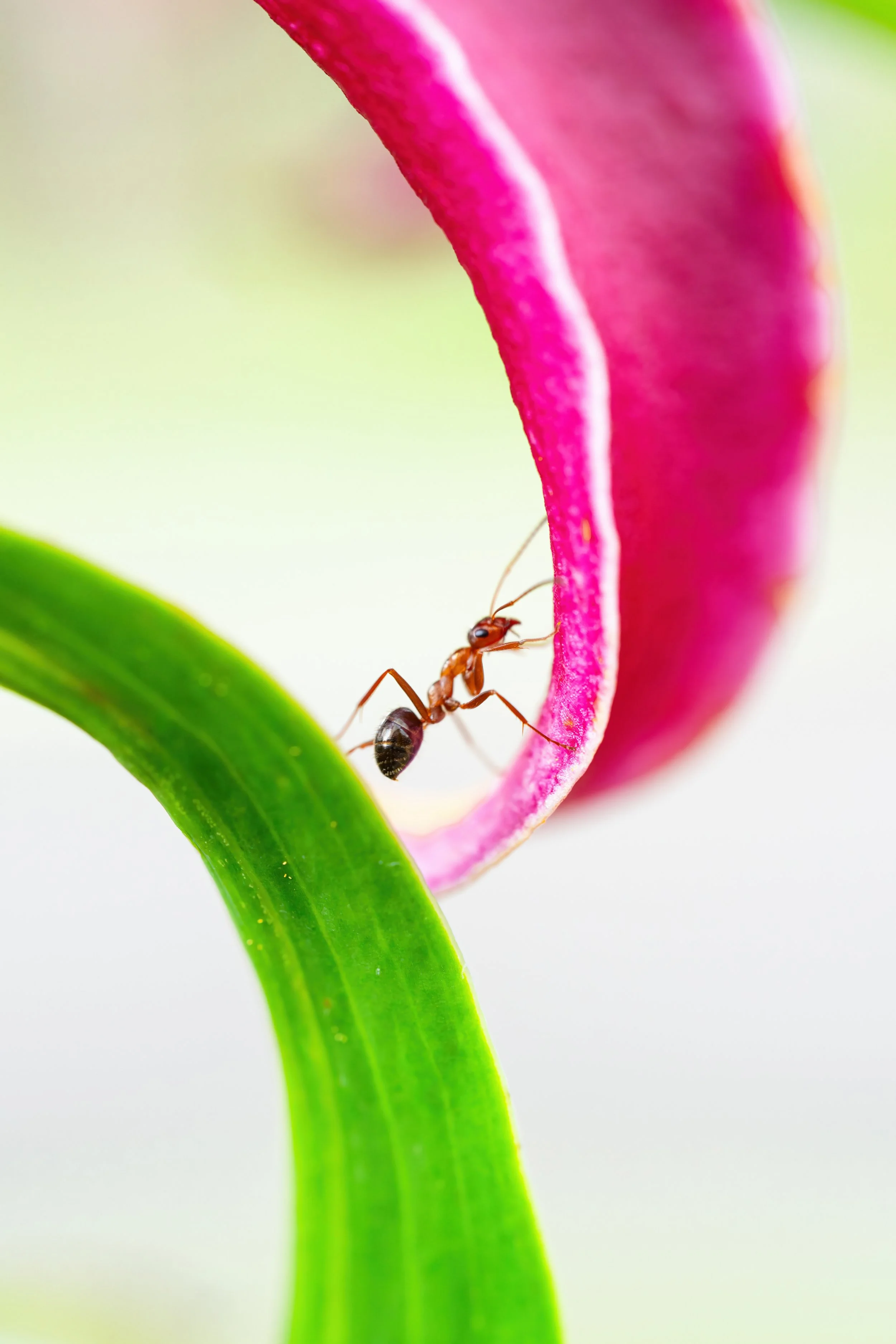
Why the Tamron 90mm Paired with the Sony a1 Might Be the Most Slept-On Macro Combo in the Game
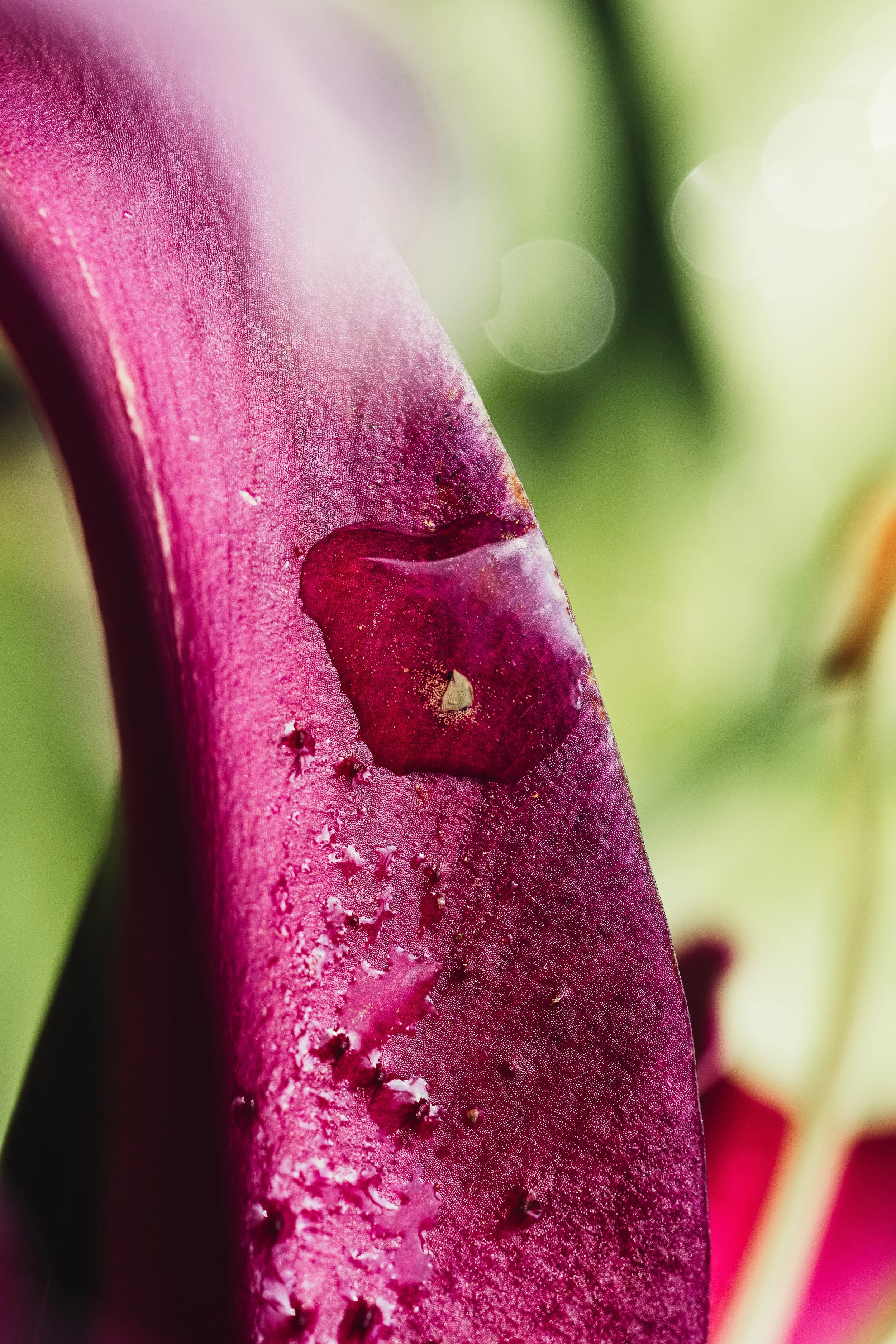
When people talk about macro photography, they usually nerd out over lighting, rails, or how close they can get to an insect’s eyeball. Fair. But no one really talks about what it feels like to shoot macro with the right gear. Gear that just clicks. That’s what I found when I paired my Sony a1 with the Tamron 90mm.
This combo didn’t just surprise me. It kinda blew my mind.
Let’s break it down.
The Power of the Sony a1
If you know me, you know I’m deep into Sony mirrorless cameras. The Sony a1 is my daily driver for a reason. It’s got the speed, the resolution, and the color science that just hits. I’m talking 50.1MP stills, insane autofocus, and a sensor that holds detail in both highlights and shadows like it’s cheating.
That’s a dream setup when you’re doing macro work, where the difference between a cool bug shot and a museum poster print is in the micro-details.

The Tamron 90mm: A Hidden Gem
Now let’s talk about the real star here. The Tamron 90mm. This lens has been around in different versions for years, but it’s still one of the most overlooked pieces of camera gear out there. It’s sharp, it’s fast, and the bokeh? Silky. At f/2.8, it gives you just enough subject isolation while still keeping the important details crisp.
It’s also incredibly lightweight, which matters when you’re crouched down in the dirt trying to catch a dew drop on a leaf that’ll be gone in five minutes. I’ve tested heavier macro lenses, but the 90mm lets me move fast and shoot longer without feeling like I’m in a yoga pose.
Why This Combo Works
Here’s what makes the Tamron 90mm and Sony a1 such a killer pairing.
Resolution meets precision. The Sony a1 pulls every last ounce of sharpness out of the Tamron. Even at 100 percent crop, the details are insane.
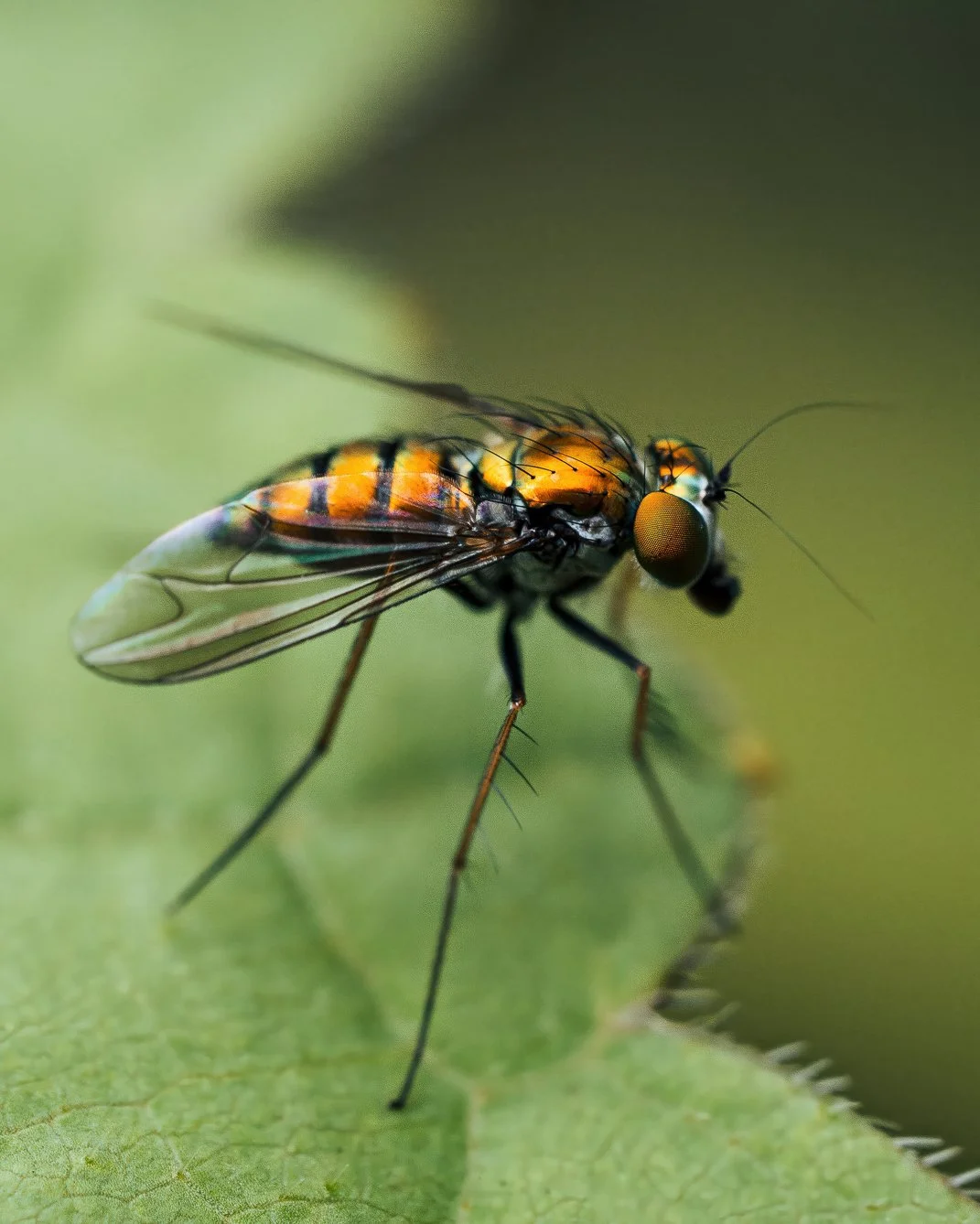
IBIS paired with lens stabilization. That in-body image stabilization on the a1 stacks beautifully with the Tamron’s Vibration Compensation. I’m talking handheld macro that doesn’t suck.
Colors that pop. Whether you’re shooting bugs, textures, or food, the color accuracy from this setup is ridiculous.
Speed. The autofocus on the a1 is already lightning fast, but the Tamron keeps up shockingly well for a macro lens.
Real-World Use. It’s Not Just for Bugs
Sure, you can shoot insects and textures and all the usual macro stuff, but I’ve used this setup for product photography, food content, and even weird creative shots where I wanted insane detail on tiny objects. If you’ve ever tried to make a beer label look interesting at a close range, this is the kind of lens you want in your bag.

Final Thoughts
If you’re already invested in Sony mirrorless cameras and you own a Sony a1, do yourself a favor and try the Tamron 90mm. It’s one of those lenses that doesn’t always get the hype, but when you start using it, you wonder how you went so long without it.
Camera gear should make your creative life easier, not more complicated. This setup just works
Common Questions
The questions I get most about the Tamron 90mm Macro on the Sony a1, real-world from a working photographer.
Yes. At $699, it's significantly cheaper than the Sony 90mm f/2.8 Macro G OSS or Sigma 105mm f/2.8 DG DN Macro, with image quality that holds its own against either. It's sharp wide open at f/2.8, the autofocus is fast for a macro lens, and the 12-blade circular aperture creates beautifully smooth bokeh. For Sony and Nikon Z shooters, it's one of the best value macro lenses on the market.
No. The Tamron 90mm f/2.8 Di III VXD Macro doesn't have built-in image stabilization. It relies on the in-body stabilization of your Sony or Nikon camera. On the Sony a1, the IBIS handles handheld macro work well in real-world shooting, especially when paired with the focus limiter switch.
Yes. The Tamron 90mm f/2.8 Di III VXD Macro delivers true 1:1 (life-size) magnification with a minimum focusing distance of 9.1 inches. That means subjects are recorded on the sensor at the same size they are in real life, ideal for product details, food textures, and traditional macro work like insects and flowers.
Yes. The 90mm focal length is one of the most flattering for portraits, and the f/2.8 aperture combined with the 12-blade circular aperture gives you smooth, creamy bokeh for clean subject separation. It's tack sharp wide open, which can be too sharp for some skin work, but easy to soften in post if needed.
The Tamron 90mm f/2.8 Di III VXD Macro takes a 67mm filter. This matches the filter thread of most other Tamron lenses for mirrorless, so if you already shoot Tamron, your filters will carry over.
Tamron's lenses are sold through trusted retailers, including their Official Amazon Storefront.
I shoot this lens for my own creative projects and detail work. If you're ready to add the Tamron 90mm f/2.8 Macro to your kit, this is where I'd send you.
Buy the Tamron 90mm on Amazon →Sold and shipped by Amazon via Tamron's Official Amazon Storefront.
As a Tamron Ambassador and Amazon Associate, I may earn a commission on purchases made through these links at no extra cost to you.