
Gear / Tamron Lens Review
Tamron 12-20mm F2.8 Review: Testing an Ultra-Wide Zoom on the Sony a1 in Florida
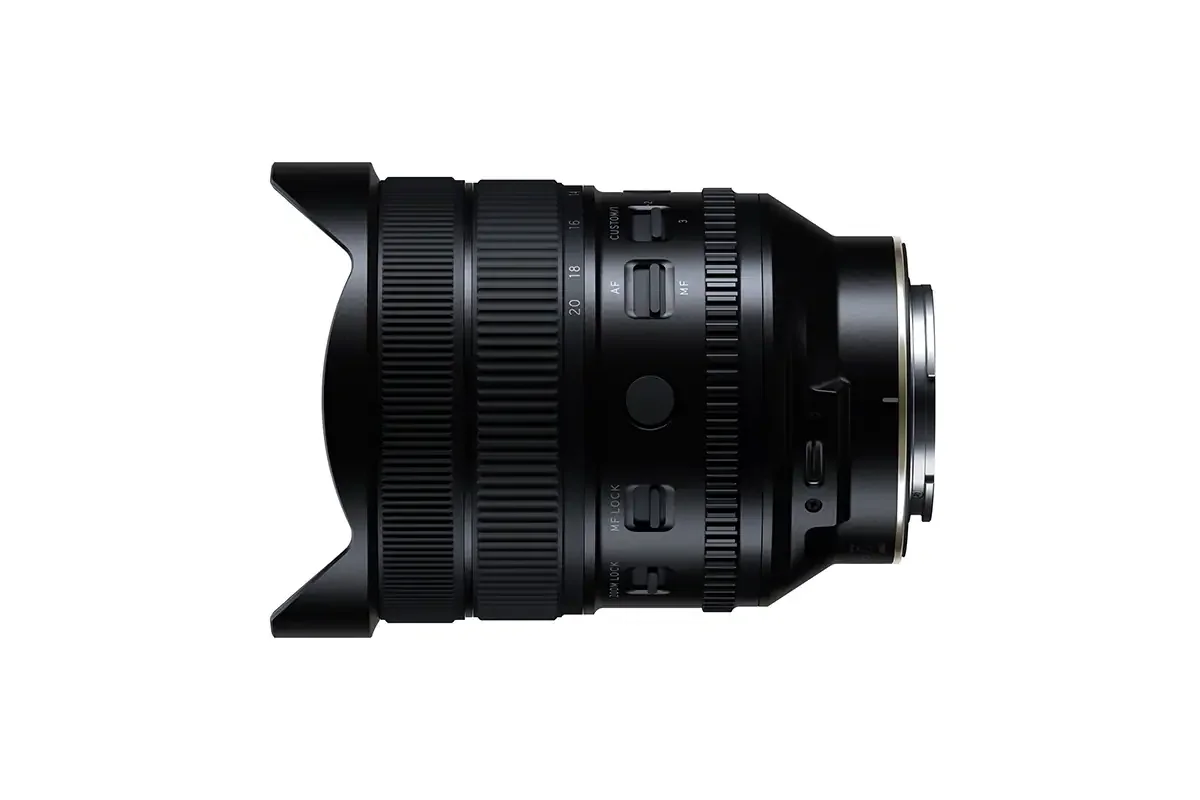
Twelve millimeters on a full-frame camera changes how you see a place. The Tamron 12-20mm F2.8 gets you there with a constant F2.8 aperture, fast autofocus and a Sony E-mount body that weighs 570 grams. That combination makes it a lot more interesting than another ultra-wide zoom.
I took the Sony E-mount version to Anna Maria Island, Florida for a weekend and shot it on my Sony a1. I skipped the controlled lens test. I carried it around and pointed it at what I would actually photograph on a trip: beaches, sunsets, houses, architecture, people, plants, small details in the sand and anything else that caught my eye.
That turned out to be the right way to learn this lens, because its biggest feature is not on the spec sheet. It is what 12mm does to a scene.
The short version: 12mm at a constant F2.8, quiet VXD autofocus, a real aperture ring and surprisingly close focus, in a 570-gram Sony E-mount body that stayed on my Sony a1 all weekend.
The tradeoffs are real too. There is no front filter thread, no optical stabilization in the lens, and ultra-wide perspective takes discipline.
12mm is really wide
Most ultra-wide zooms start at 14mm or 16mm. Going to 12mm on full frame is a real jump. At 12mm the Tamron covers a diagonal angle of view of nearly 122 degrees, so you pull an enormous amount of the scene into one frame.
On Anna Maria Island that paid off right away. Beach access paths, palm trees, houses, clouds and the Gulf all fit into the same composition, so I did not have to pick one. It works best when something sits close to the camera, because 12mm stretches the distance between foreground and background.
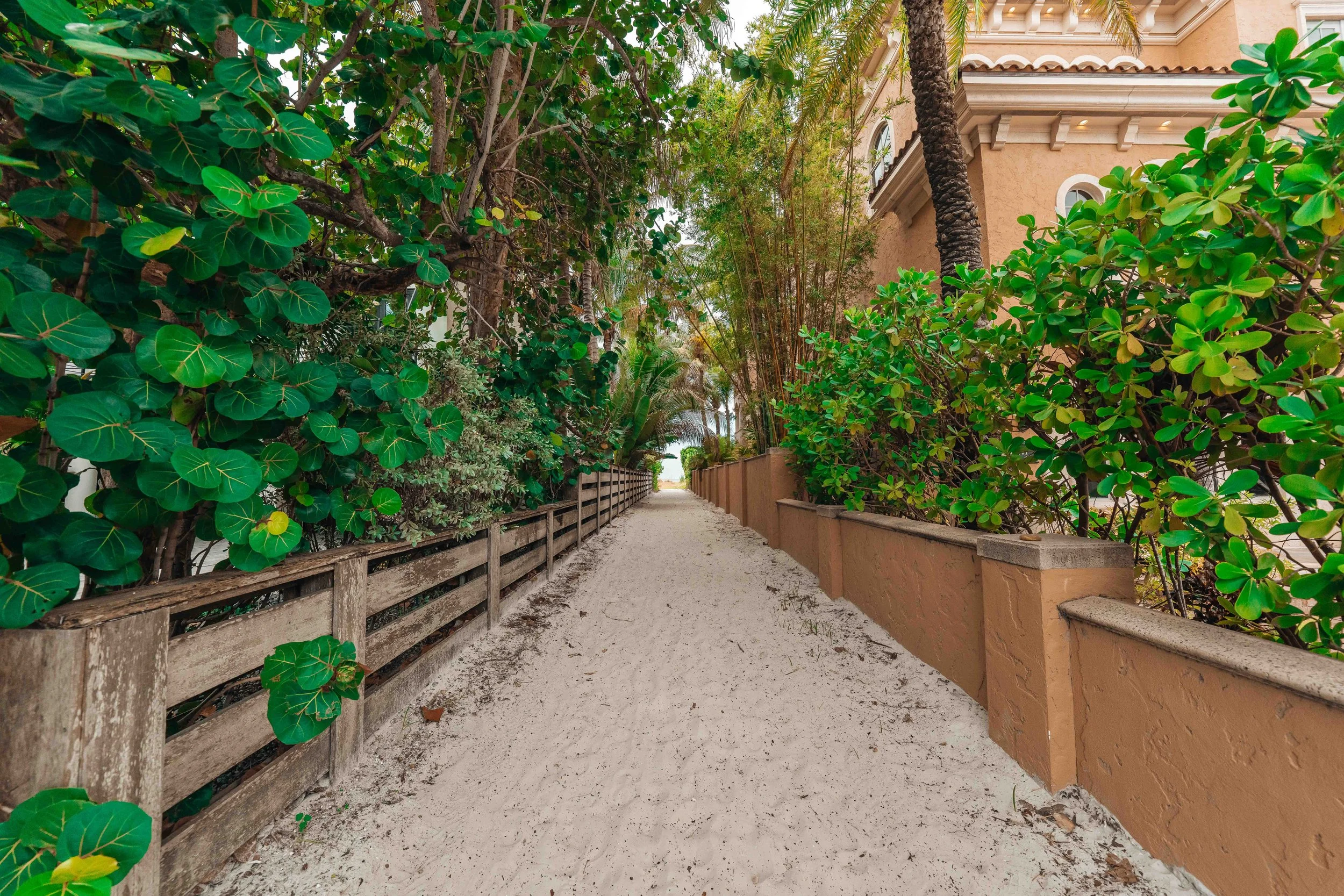
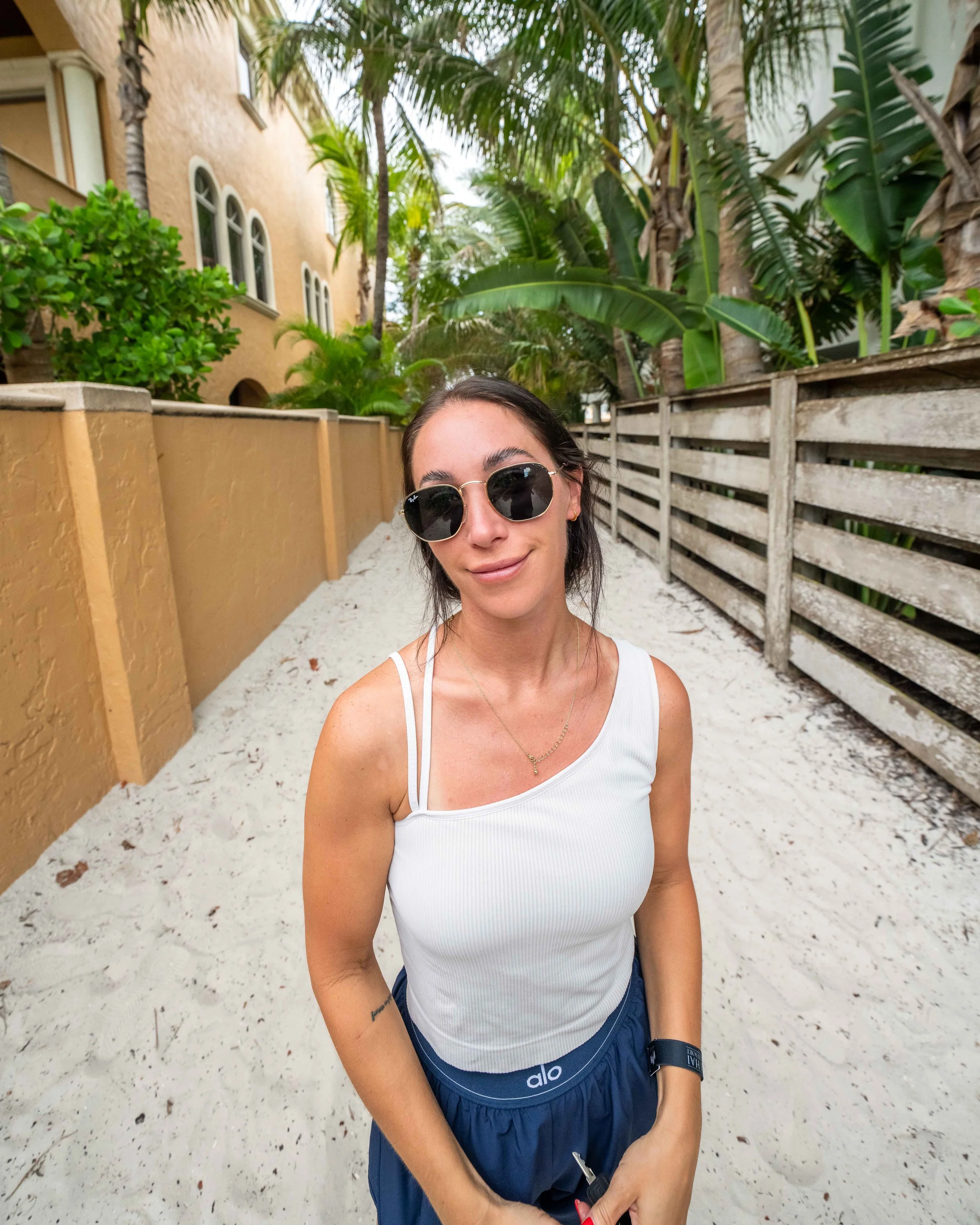
That same stretch can get you into trouble. I would not casually put a person near the edge of the frame at 12mm and expect them to look normal. Ultra-wide perspective has to be used on purpose. Once you pay attention to your distance and where the subject sits in the frame, 12mm gives you compositions a conventional wide-angle lens cannot.

The zoom runs from 12mm to 20mm. That is not a big range on paper, but 20mm gives you a familiar wide-angle look when you do not want the full 12mm effect. I ended up treating 12mm as the dramatic option and zooming toward 20mm when I wanted the width to feel less obvious.
Constant F2.8 aperture
The other headline is the aperture. It stays at F2.8 from 12mm to 20mm.
For an ultra-wide, that opens a lot of doors. You get more light for blue hour, night photography, interiors and astrophotography, and the lens is more useful for video in low light. On the Sony a1, having F2.8 across the whole zoom range makes it feel far more versatile than an ultra-wide that gives up aperture to save size.
Tamron uses a 12-blade circular diaphragm. It keeps out-of-focus highlights round near the wide apertures, and stopped down it can produce clean 12-point sunstars. Nobody buys an ultra-wide for bokeh, but that diaphragm suits landscapes, cityscapes, interiors and night work.
The aperture ring is a big improvement
My favorite physical feature on the Sony version is the aperture ring.
It runs from F2.8 to F16, with an A position when I want the camera to control aperture. An IRIS LOCK switch keeps the ring locked at A or holds it within the manual range. That sounds minor until you are moving around all day and do not want to bump the ring into the wrong setting.
There is also a CLICK ON/OFF switch. For stills I leave the clicks on and feel each change. For video I de-click it so aperture pulls are smooth and silent. Details like that make it feel like a lens built by people who actually switch between photo and video, not a stripped-down third-party option.
Build quality and controls
The 12-20mm is also where Tamron's design takes a step forward. It debuts what Tamron calls its "Toned Profile Next" exterior. Ignore the name. The lens looks clean and modern without feeling fragile.
More important, it feels serious in the hand. At about 4.7 inches long and 20.2 ounces for Sony E-mount, it is surprisingly manageable for a 12mm F2.8 zoom. On the Sony a1 it was easy to carry all day instead of living in the bag until one specific shot.
The controls are more complete than I expected. There is an AF/MF switch, a Custom switch, a Focus Set button, MF LOCK, a Zoom Lock, the aperture controls and a USB-C port for Tamron Lens Utility. The zoom locks at 12mm or 20mm, and turning the zoom ring releases it quickly.
MF LOCK is a smart addition for astrophotography and long exposures. Once you nail focus, you can disable the focus ring so an accidental bump does not throw it off.
Weather resistance and the fluorine coating
The lens is moisture resistant with seals throughout the barrel, and the front element has a fluorine coating that repels water and oil and makes dirt and fingerprints easier to wipe off. That is not permission to abuse your gear, but it is exactly what I want on a landscape and travel lens.
VXD autofocus on the Sony a1
Autofocus runs on Tamron's VXD linear motor. VXD stands for Voice-coil eXtreme-torque Drive, which is Tamron's high-speed, high-precision linear focusing system. The lens supports Sony's Fast Hybrid AF, Eye AF, Direct Manual Focus and AF Assist on compatible bodies.
The Sony a1 is a very fast camera, so a slow lens shows up quickly on it. Over the weekend, autofocus never became something I had to think about, and that is about the best thing I can say about an AF system. For the travel, landscape, environmental portrait and close-range work I was doing, it let me focus on the picture instead of the lens.
The VXD motor is also quiet, which matters if this lens is going to pull double duty for video.
Close focus is more useful than I expected
How close the 12-20mm can focus ended up being one of my favorite things about it.
At 12mm, the minimum focus distance is 0.18 meters, or 7.1 inches, measured from the sensor. At 20mm it is 0.28 meters, or 11.1 inches. Tamron says that puts the front of the lens roughly two inches from your subject at the closest setting.
This is not macro. Maximum magnification is 1:5.8 at 12mm and 1:9.1 at 20mm. What it gives you is a different kind of close-up. You can put a small object right against the lens, let it dominate the foreground and still show a huge amount of environment behind it.
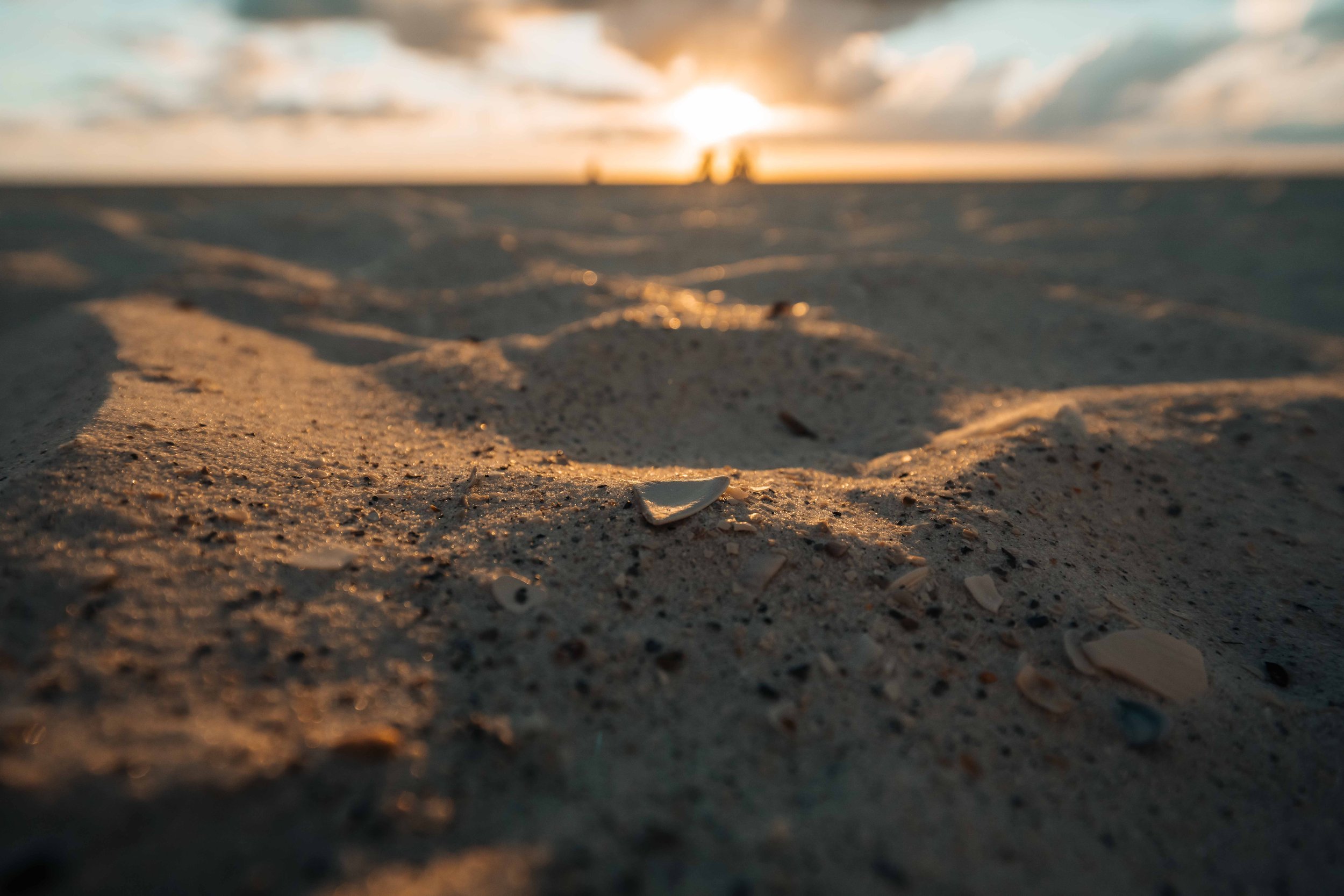
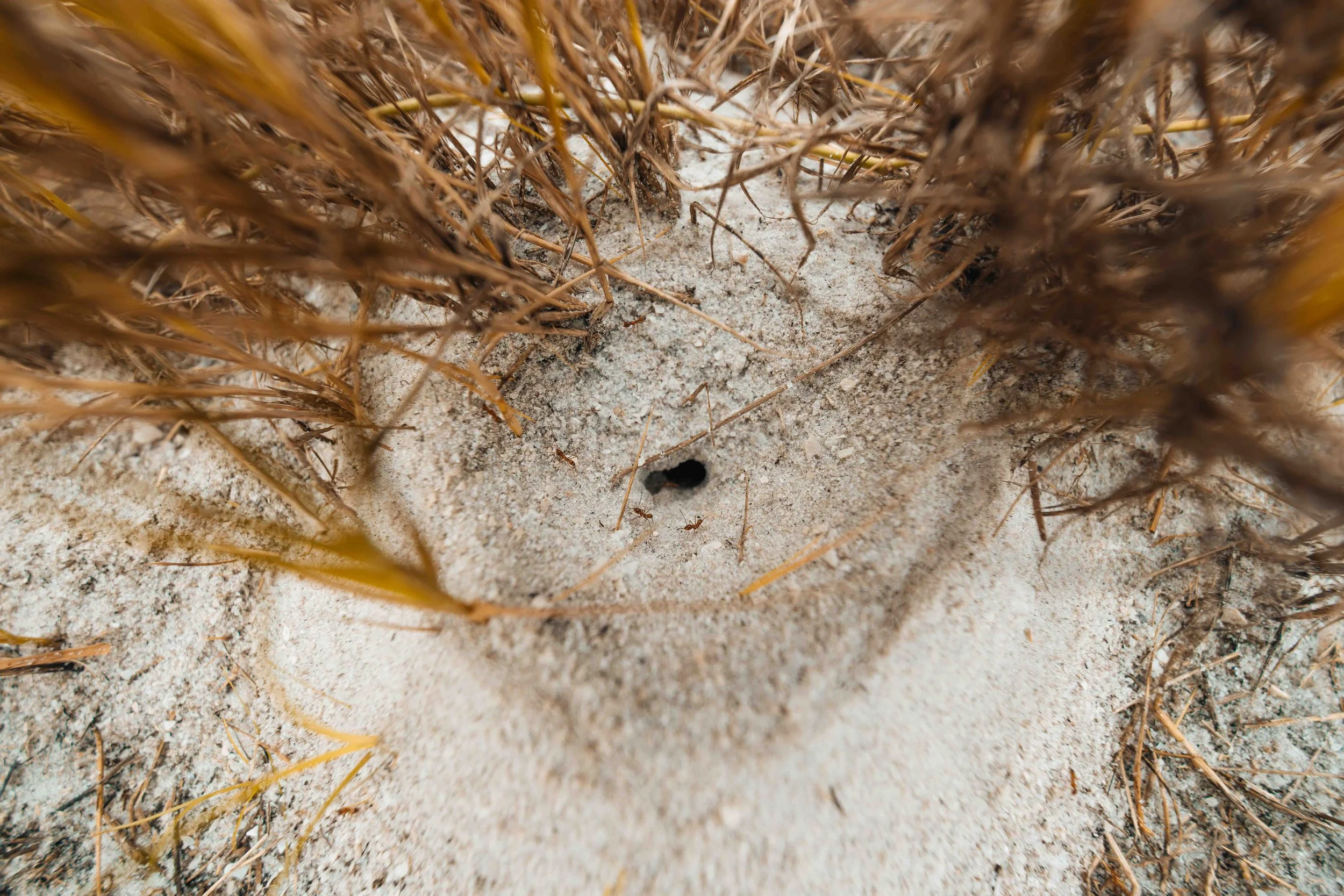
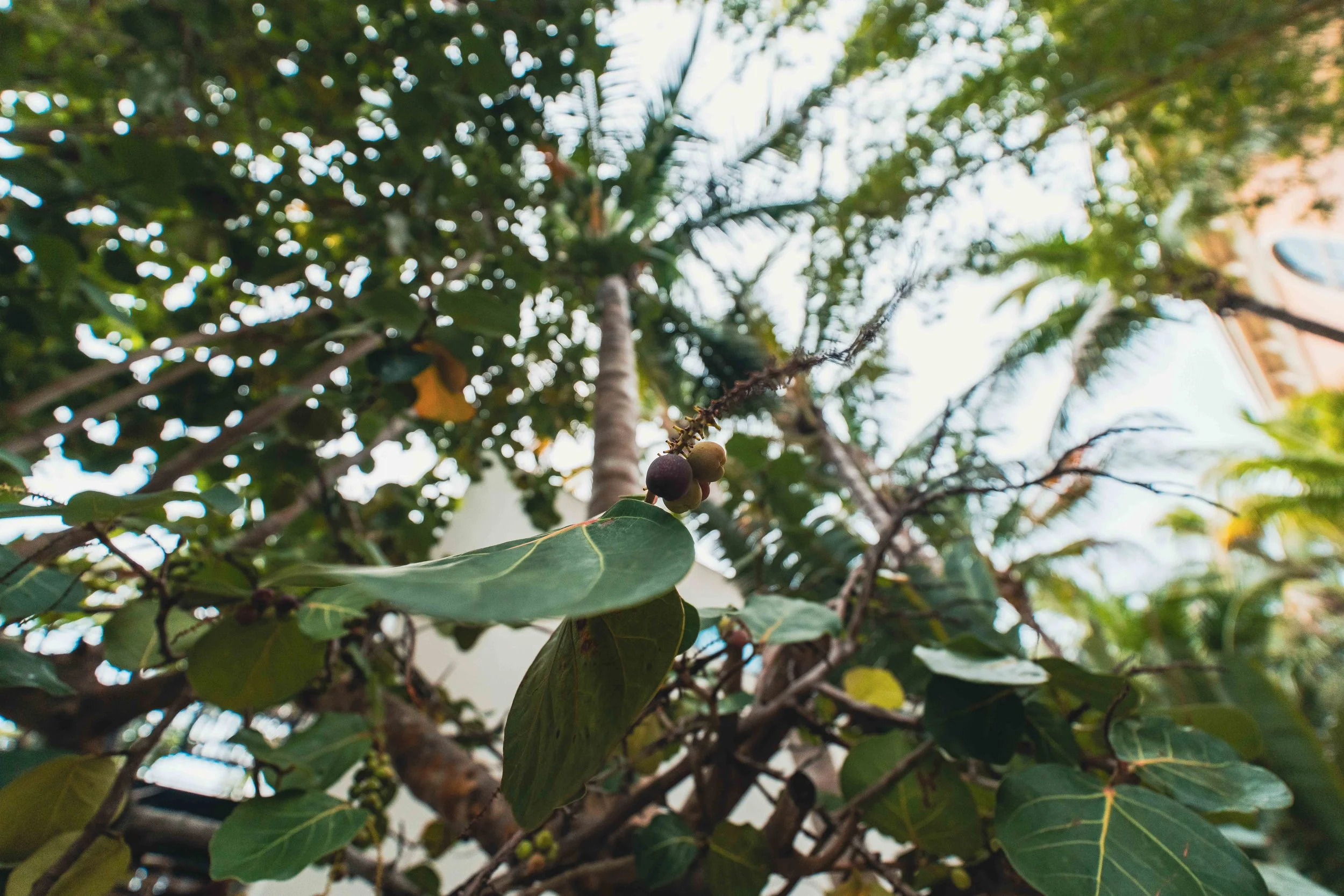
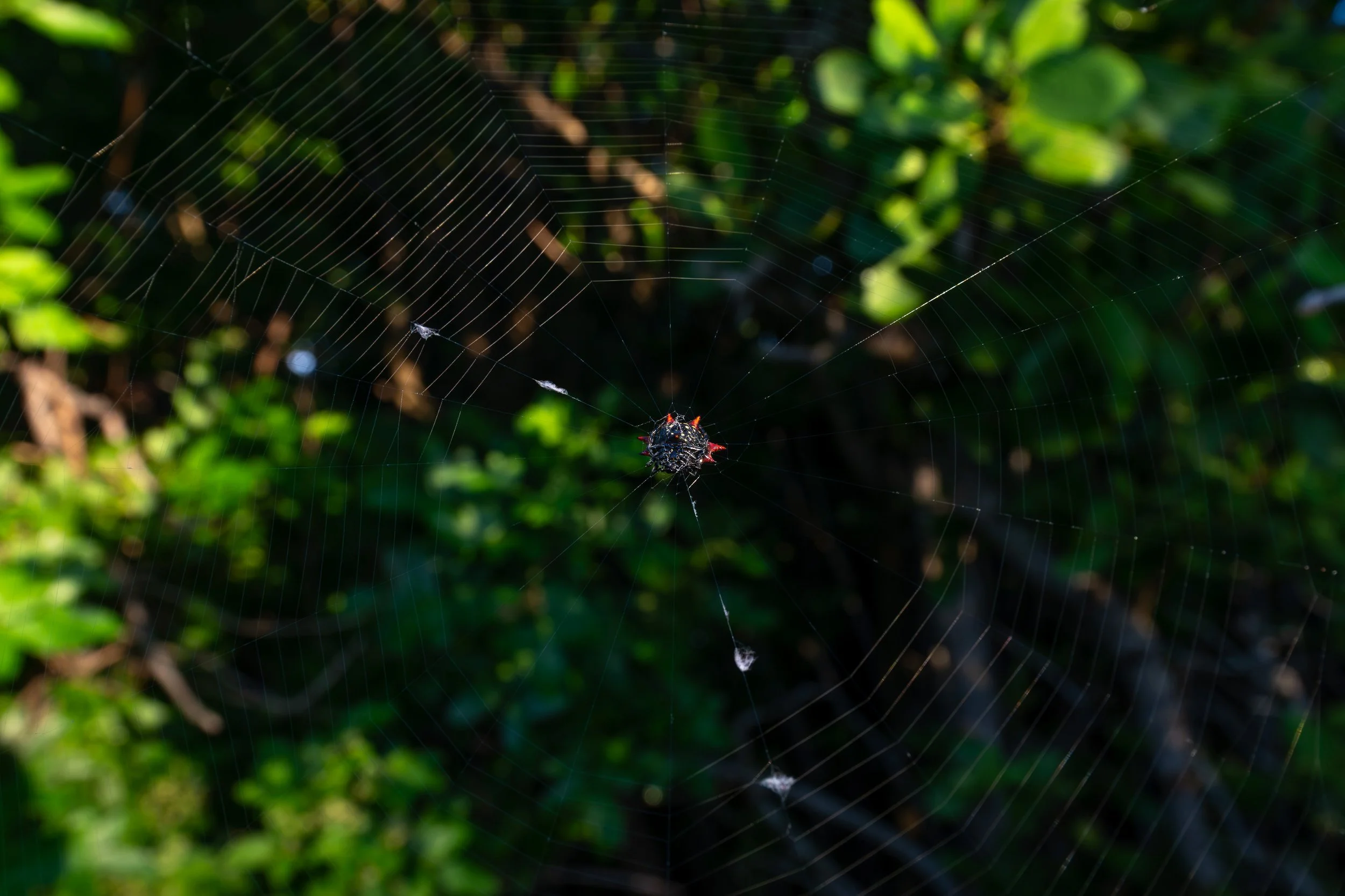
In Florida I used that for small details in the sand, for plants and for a spiny-backed orb-weaver sitting in its web. Close focus plus 12mm gives this lens a personality beyond landscapes and architecture.
Optical design and image quality
Inside are 17 elements in 12 groups: one XGM element, three more glass-molded aspherical elements, one XLD element and three LD elements. The job of all that glass is to control the problems that show up at this angle of view, including edge blur, chromatic aberration and sagittal coma.
Tamron specifically designed the lens to suppress sagittal coma flare. That matters for astrophotography, because stars near the edges of the frame can otherwise smear into odd shapes instead of staying points of light.
Flare and ghosting
Two anti-reflection coatings are at work. AX coating handles the strongly curved optical surfaces, and Tamron's BBAR-G2 coating reduces ghosting and flare.
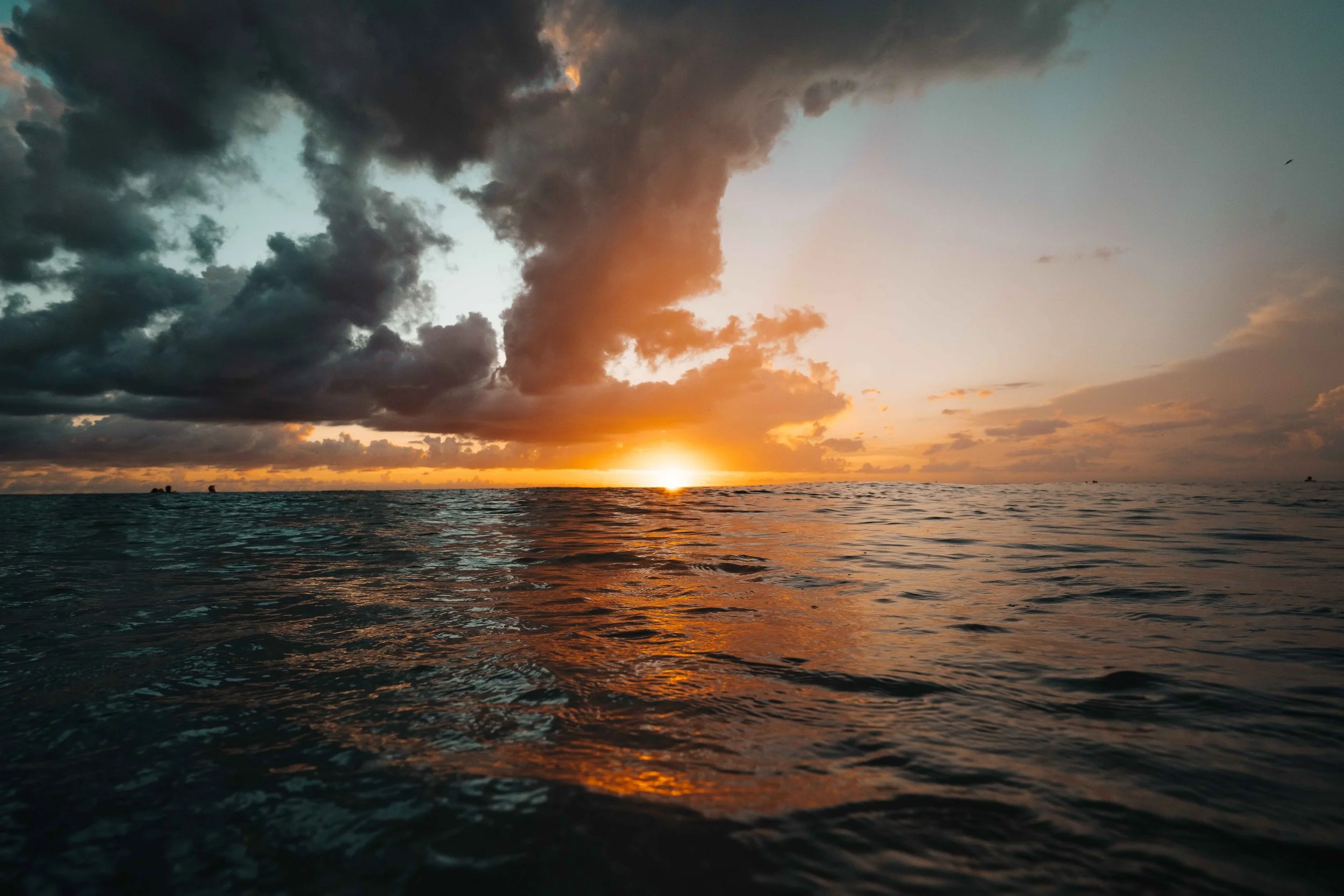
At 12mm that is a big deal, because bright light sources are always sneaking into the frame. In Florida I was shooting sunsets, bright skies and backlit scenes where keeping the sun out of the frame was not always realistic. An ultra-wide has to handle that, since its whole job is showing more of what is around you.

Chromatic aberration and distortion
Like any 12mm lens, perspective and distortion come with the territory. The lens supports Sony's in-camera corrections for shading, chromatic aberration and distortion on compatible cameras. I see correction support as part of the optical system, not something to apologize for. What matters to me is the finished image.
Integrated hood and rear filters
The front of the 12-20mm is not a normal filter-thread design. It has a bulbous front element with a built-in flower-shaped hood that cannot be removed and helps block stray light.
Because of that, there is no front filter thread. Tamron built a sheet-filter holder into the rear of the lens instead. You cut compatible sheet filters to shape and slide them in behind the optics.
Know this before you buy, especially if your landscape workflow depends on screw-on filters. The rear holder works for things like long exposures, but it is a different workflow.
The front cap locks onto the integrated hood instead of just friction-fitting over it, and Tamron includes a soft wrap for protecting the lens in your bag.
The lens and what keeps it working
The lens in this review. Twelve millimeters at a constant F2.8, with a rear sheet-filter holder instead of a front thread.
A front element you cannot cover with a flat filter picks up dust and sand on location. Air first, cloth second.
The fluorine coating makes cleaning easier, but a curved ultra-wide front element still shows every fingerprint.
Tamron Lens Utility and custom controls
There is a USB-C port right on the lens for Tamron Lens Utility, which lets you customize supported functions separately for stills and video.
As lenses get more programmable controls, that matters more. Instead of every button and ring being stuck on one job, you can set the lens up around how you actually shoot.
Tamron also supports its TAMRON-LINK Bluetooth accessory for a wireless connection to supported phones and tablets. Firmware updates still need the desktop version of Tamron Lens Utility.
What it is like to travel with
This is the part that surprised me most.
A 12-20mm F2.8 full-frame zoom sounds like a big, annoying specialty lens. The Sony version is 570 grams, 90mm in diameter and 119.3mm long. That is not tiny, but for what it does, it is compact.
Anna Maria Island proved that better than any test chart. I walked around with the Sony a1 and the 12-20mm and had an extremely wide F2.8 setup without feeling like I was hauling specialty glass around just in case.
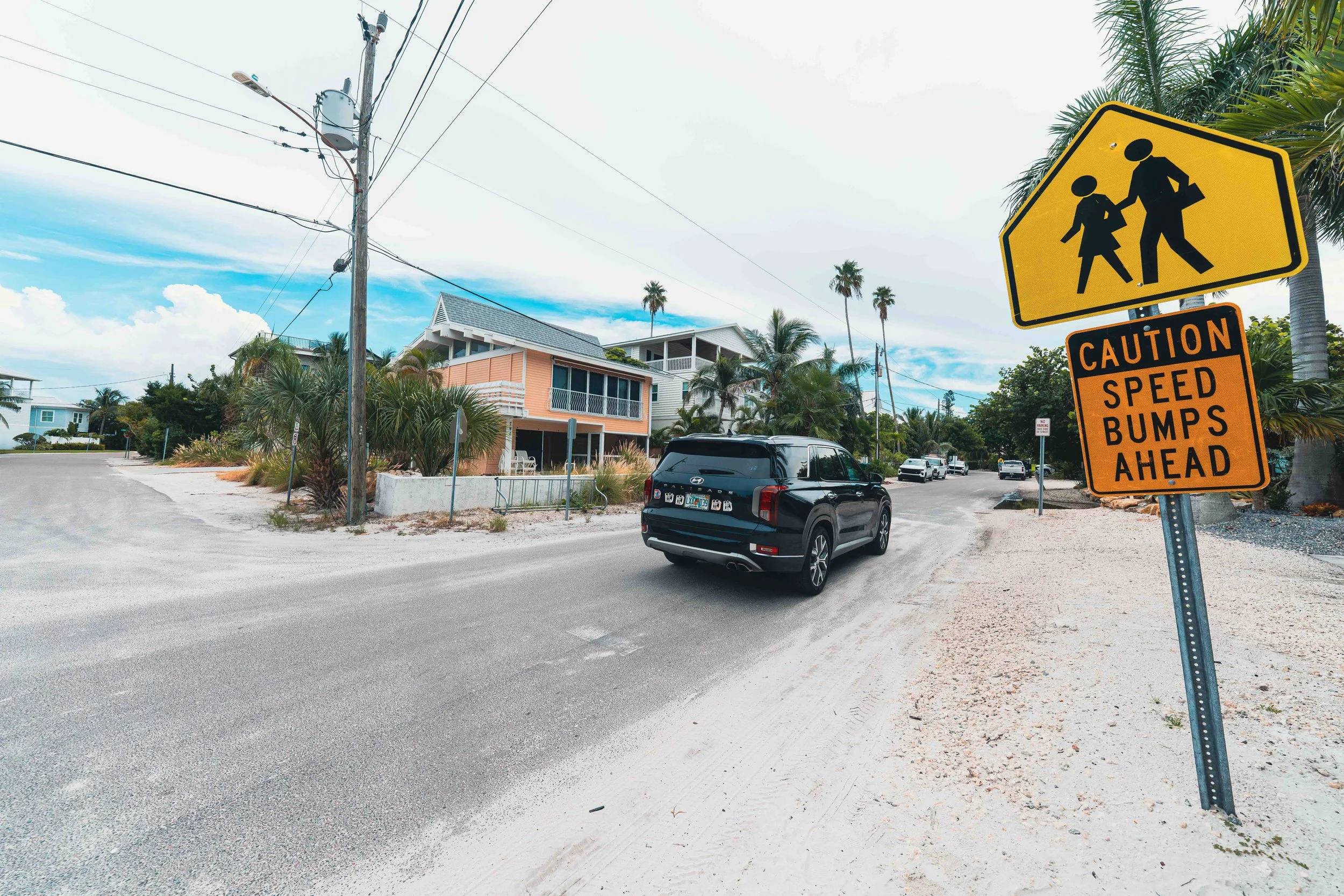
For travel, that is everything. I use a lens a lot more when it stays on the camera.
There is no optical stabilization
One spec to know: the 12-20mm has no optical image stabilization in the lens.
On my Sony a1 that is less of an issue, since the body has in-body stabilization. At focal lengths this wide, stabilization also matters less for stills than it does on a telephoto. If you shoot video, or use a body without stabilization, keep it in mind.
Who is this lens for?
The Tamron 12-20mm F2.8 makes the most sense for landscape, architecture, real estate, interiors, astrophotography, travel and video shooters who specifically want to go wider than the usual 14mm or 16mm starting point.
It is also more versatile than that list suggests. Close focus gives it a real environmental-detail trick, and 20mm is normal enough that I never felt forced to make every frame scream ultra-wide.
Is it good for video?
For video, the constant F2.8 aperture, de-clickable aperture ring, quiet linear AF, programmable controls and compact size add up to a strong package. Independent testing has also reported very little focus breathing, which helps with focus pulls.
What I would keep in mind
No lens this extreme comes without tradeoffs.
First, 12mm takes discipline. Put a person in the wrong part of the frame and their proportions get strange fast. Tilt the camera around architecture and converging lines get dramatic. Sometimes that is exactly what I want. Sometimes it is not.
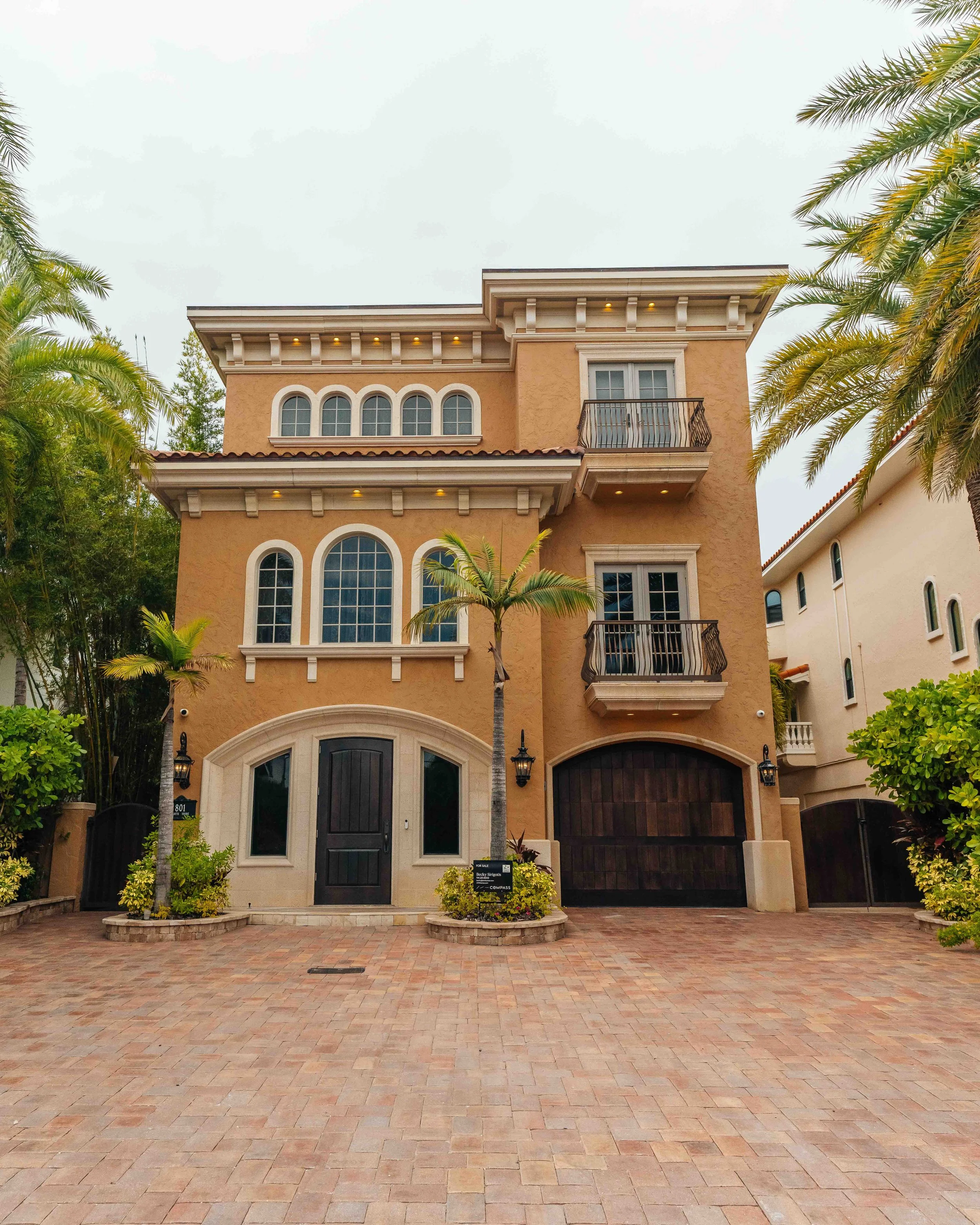
Second, there is no standard front filter thread because of the bulbous front element and built-in hood. The rear filter holder helps, but anyone invested in circular screw-on filters should know that going in.
Third, independent optical testing found visible vignetting at F2.8 and some field curvature toward the 20mm end. I would think about that for flat subjects where edge-to-edge focus is critical. For the three-dimensional travel and landscape scenes I shot in Florida, neither would stop me from using it.
Final thoughts
After a weekend carrying the Tamron 12-20mm F2.8 around Anna Maria Island on the Sony a1, what stands out is how usable Tamron made such an extreme lens.
12mm at F2.8 is the headline, but it is not the whole story. The 570-gram weight, VXD autofocus and close focus make the focal range practical to use. The physical aperture ring, de-click switch, MF LOCK, Zoom Lock and custom controls make it easy to work with. Weather sealing, the coatings and Lens Utility support round it out. Together they turn a wild focal range into a lens I actually want to carry.
I also like that Tamron did not use compactness as an excuse to cut physical controls. The aperture ring in particular makes the lens feel complete and professional, and switching between clicked stops for photos and smooth pulls for video just makes sense.
It was also a lot of fun to shoot.
Twelve millimeters changes how I work a location. Instead of backing up to fit the scene in, I can move closer, push the foreground and make the environment part of the subject. On Anna Maria Island that meant huge skies over the Gulf, palm-lined paths, architecture, beach details and close-up subjects that still showed where they were.
I would not pick this lens because I needed another generic wide zoom. I would pick it because 12mm makes photographs a conventional lens cannot, and Tamron packed that perspective into a fast, relatively light lens that pairs very well with the Sony a1.
Key specifications
TAMRON 12-20mm F2.8 (Model A084)
Commercial Photography and Video
Locations, interiors and the shots that need the right glass
I photograph products, spaces and locations for brands across Western Pennsylvania. If your project needs a photographer who knows the gear, let's talk.
Start a ProjectFAQ
Does the Tamron 12-20mm F2.8 have image stabilization?
No. There is no optical stabilization in the lens. On a body with in-body stabilization like the Sony a1 that is less of an issue, and at focal lengths this wide stabilization matters less for stills than it does on a telephoto. Video shooters and anyone using a body without stabilization should keep it in mind.
Can you use filters on the Tamron 12-20mm F2.8?
Not screw-on front filters. The bulbous front element and built-in flower-shaped hood rule out a front filter thread. Tamron built a sheet-filter holder into the rear of the lens instead, so you cut compatible sheet filters to shape and slide them in behind the optics.
How close can the Tamron 12-20mm F2.8 focus?
The minimum focus distance is 0.18 meters, or 7.1 inches, at 12mm and 0.28 meters, or 11.1 inches, at 20mm, measured from the sensor. Maximum magnification is 1:5.8 at 12mm. It is not a macro lens, but it lets you put a small subject right against the front of the lens and still show a lot of the scene behind it.
How much does the Sony E-mount version weigh?
570 grams, or 20.2 ounces, and it is 119.3mm long. The Nikon Z version is 585 grams and 121.3mm long.
Is the Tamron 12-20mm F2.8 good for video?
It has a lot going for it. The constant F2.8 aperture, de-clickable aperture ring, quiet VXD linear autofocus, programmable controls and compact size make a strong video package, and independent testing has reported very little focus breathing.
How does the Tamron 12-20mm F2.8 work on the Sony a1?
Very well in my weekend of shooting. The lens supports Sony's Fast Hybrid AF, Eye AF, Direct Manual Focus and AF Assist on compatible bodies, and autofocus never became something I had to think about. The size and weight also made it easy to keep on the a1 all day.
More Tamron coverage: my 16-30mm f/2.8 G2 review, 35-100 vs 35-150, the 35-100mm review, my 35-150mm review, and the 90mm macro on the Sony a1. Everything currently in the bag is on my gear page.
I am Ian Jones, a commercial photographer in Pittsburgh and a Tamron Americas Ambassador. See what I do or start a project.
Sources: Technical specifications and feature information were verified against Tamron Americas and Tamron's July 2026 product announcement. Independent observations about focus breathing, vignetting and field curvature were cross-checked against PetaPixel's July 2026 review. The first-person testing sections are based on my weekend shooting the lens on the Sony a1 on Anna Maria Island.