
Local SEO / Google Business Profile
36 Million Google Maps Views: What Business Photos Actually Do
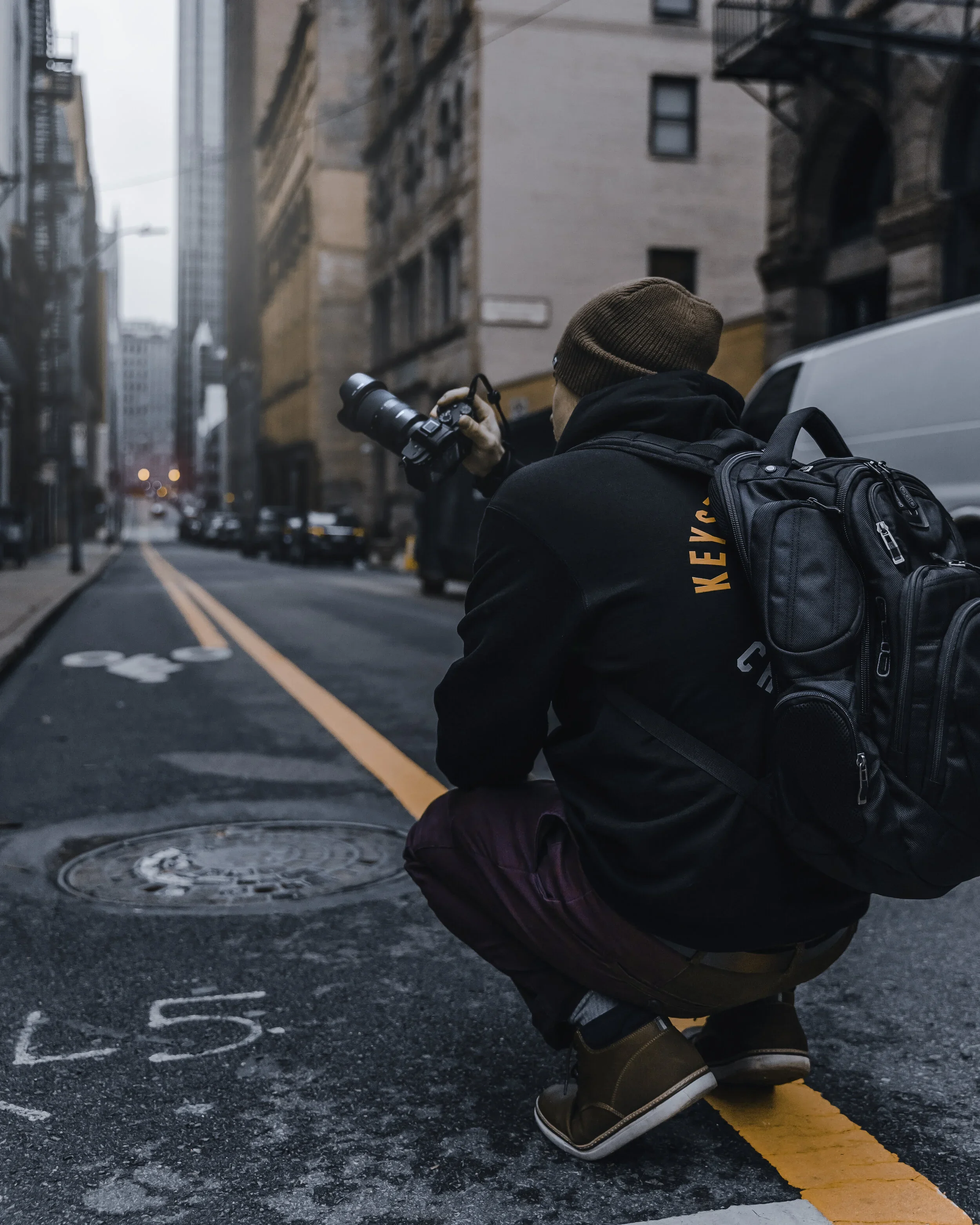
My photos have passed 36.6 million views on Google Maps as a Trusted Contributor. The number sounds impressive and it is not the useful part. The useful part is what a sample that size makes obvious: people look at business photos at enormous scale, and almost all of that looking happens before anybody walks through a door.
The question I get from business owners is always the same. Do photos help my Google ranking? That question deserves a more honest answer than most local SEO articles give it.
Photos are not a ranking button. Local visibility is decided by relevance, distance, prominence, profile completeness, reviews, website authority and behavior.
What photos decide is what happens after visibility: if the person who found you chooses you.
This is the search-to-conversion problem I work on directly through Google Business Profile photography for businesses that need current, deliberate local search imagery instead of whatever accumulated on the profile over five years.
Photos are not a magic ranking switch
Uploading ten beautiful photographs does not push a business to the top of the local pack. I would never sell a package on that promise, and you should be careful with anyone who does.
What photographs do is change the part of search that happens after the result appears. They help a person understand the business. They establish legitimacy. They answer visual questions faster than any paragraph of copy. And they give Google more current, useful media associated with the entity.
That is a real effect. It is just not the effect people ask about.
Think about the customer, not the algorithm
Someone is choosing a restaurant. In about four seconds they want to know:
- What does the food actually look like
- Is the dining room casual or upscale
- Could I take a client here
- Is there outdoor seating
- What does the entrance look like so I recognise it
- Is the place clean
- Does it feel current
A strong photo set answers all seven without a single word. The same logic scales to any category. A manufacturer shows equipment and scale. A dental practice shows the environment. A retailer shows inventory and atmosphere. A contractor shows finished work. A hotel shows rooms honestly, which is rarer than it should be.
The algorithm decides if you appear. A human decides if you deserve the click.
Most businesses treat the profile as a dumping ground
Somebody uploads a logo. An employee posts a crooked phone photo of the counter. Customers add whatever they happened to photograph, including the parking lot and a plate at an unflattering angle.
Five years later, those images are the visual identity of the business.
That is not a photography problem. It is a brand management problem, and it is fixable in one afternoon of shooting.
The photo list I would start with
For most physical businesses, in this order:
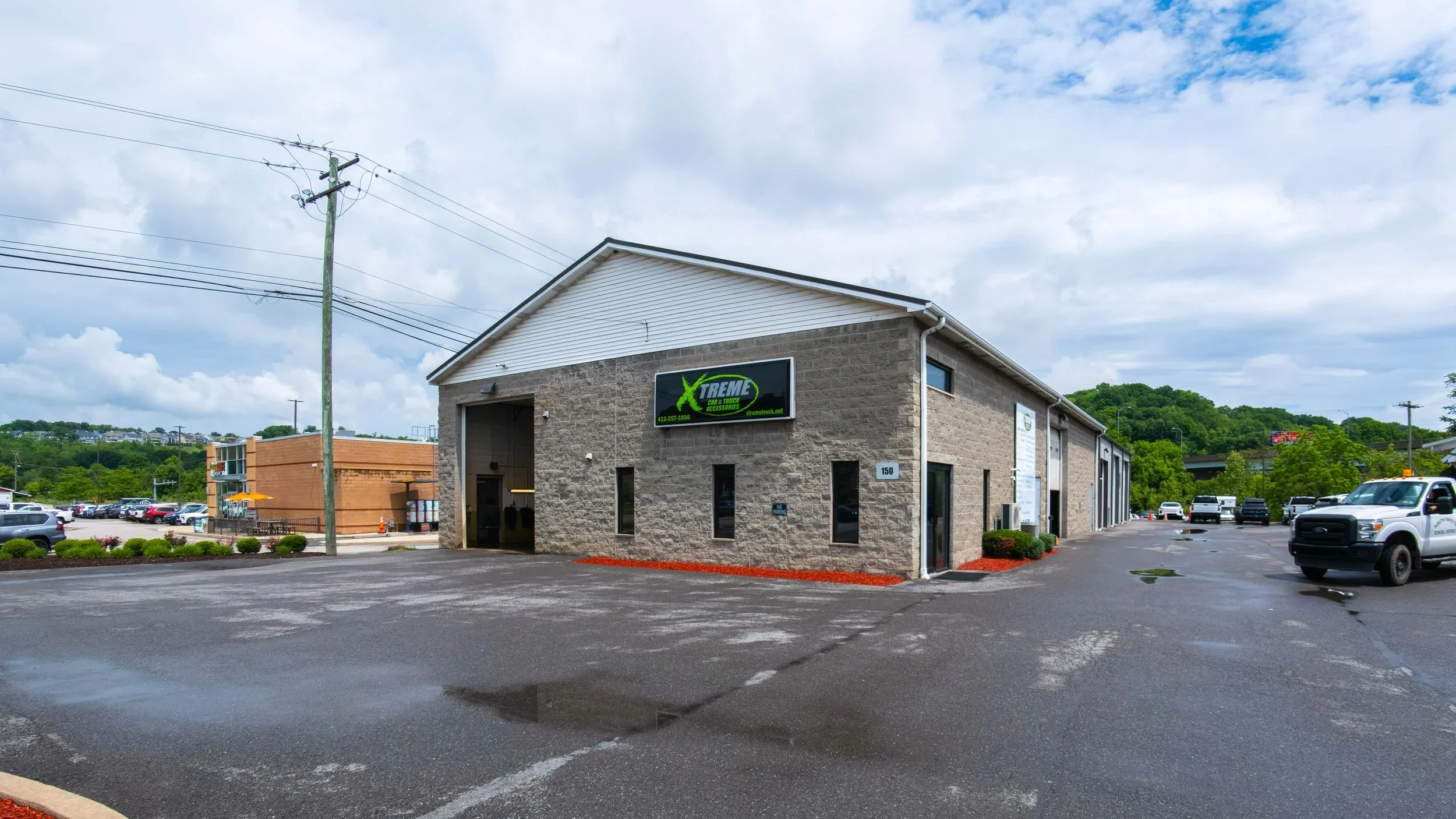
- Exterior from the direction customers actually approach
- The entrance, clearly enough that somebody can recognise it from the street
- Interior overview
- Primary customer area
- Team or staff, real people rather than stock
- Core product or service
- Two or three detail photographs that show quality
- Whatever makes this location different from the competitor two miles away
- Parking or access, if it is genuinely confusing
- Current or seasonal imagery
Restaurants add food. Retail adds merchandise. Industrial companies add capability, machinery and people working safely. Professional services add people and environment instead of filling a profile with stock photography that fools nobody.
Fifteen to twenty-five images is a reasonable starting library. Then add on a monthly cadence rather than uploading a hundred once and never returning.
Freshness matters to people even where you cannot prove a ranking effect
A profile full of 2019 photographs feels abandoned. That is true regardless of any percentage you could attach to freshness as a signal.
People notice outdated interiors, old menus, previous signage and products you stopped carrying. If the business changed, the photography should change. That goes double after a renovation, a rebrand, new signage, a new menu, a new product line, new equipment, a move or a seasonal transformation.
Your public visual record should match reality. Most of the time it does not.
Professional photos versus customer photos
They are not competing. Customer photographs are social proof and I would not try to eliminate them. Professional photographs are controlled communication.
The goal is that the business has supplied a strong, accurate set so that random customer uploads are not the entire visual representation available. That balance reads as more trustworthy than either extreme.
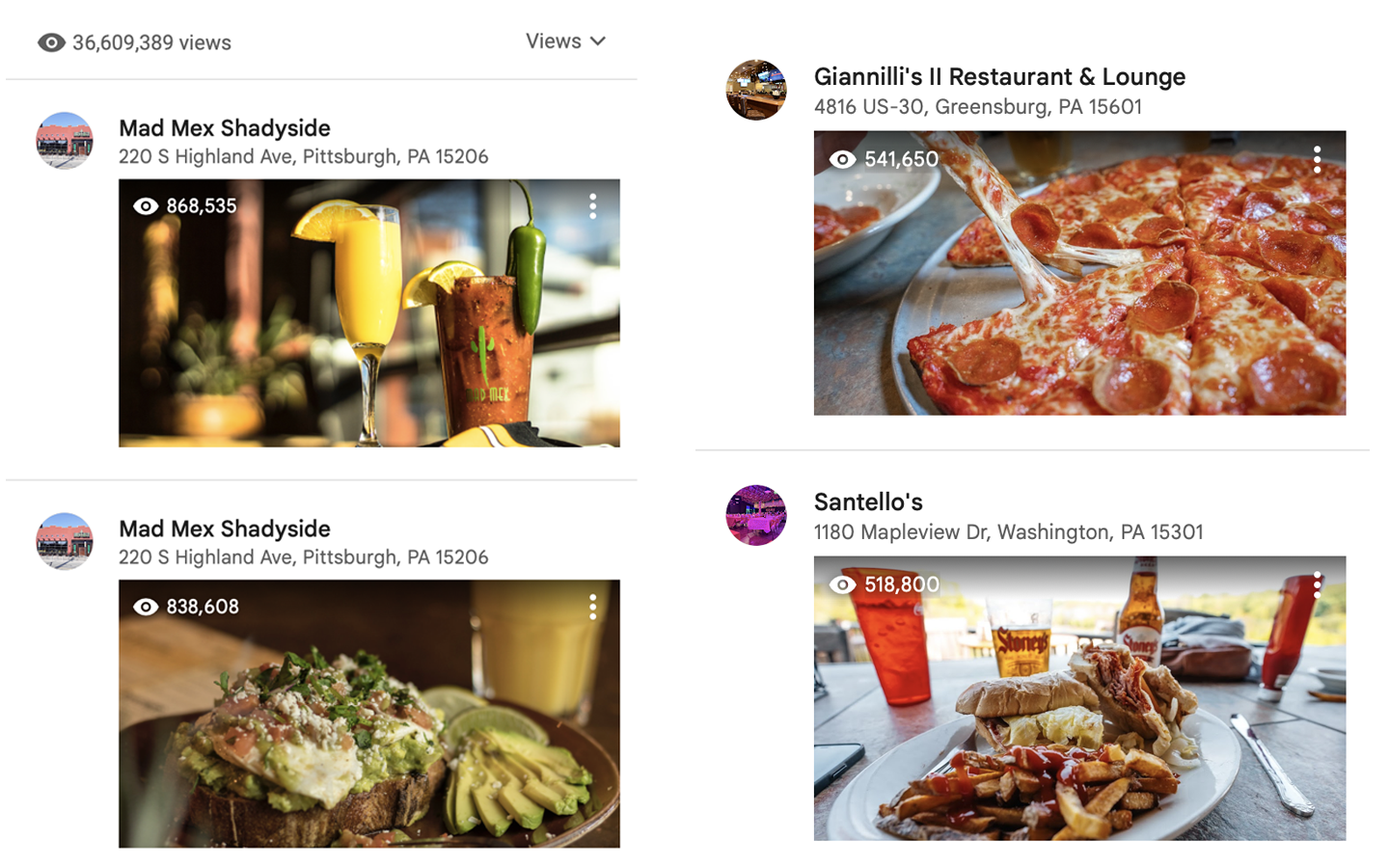
Why 36 million views changed how I think about this
The scale is the lesson.
When one photographer's contributed images get viewed tens of millions of times, it is difficult to keep treating business imagery as a minor detail on a checklist. People use these photographs. They use them constantly, and they use them at the exact moment a decision is being made.
What that number does not allow me to claim is that any view became a customer, or that one photograph caused a ranking change. I have no data supporting either and I am not going to pretend otherwise.
What it does prove is that there is a large visual layer sitting inside local search behavior, and most businesses are not treating it as an asset they control.
Your website and your Google profile should tell the same story
This is where local photography stops being a listing task and starts being a strategy.
If your profile shows one business and your website shows another, the experience feels disconnected and people notice without being able to say why. The fix is to build one core photography library that supports both.
Use consistent current imagery across the Google profile, the website, local landing pages, social, press, advertising, email and directories. That produces a far more coherent entity than commissioning an isolated set of Google photos.
I handle that as one project rather than two, which is why website content and SEO support sits next to the photography rather than after it. For restaurants specifically, that overlaps heavily with restaurant and chef photography, and for manufacturers with commercial and industrial photography.
What to upload first if your profile is weak today
Do not wait for a perfect hundred-image library. Start with the photographs that remove uncertainty.
Show where you are. Show what it looks like inside. Show what you sell. Show who is behind the business. Show what makes the experience worth choosing. Then keep it current.
That is more valuable than arguing about if a filename or one extra upload moves an algorithm.
The real value of Google Business Profile photos
Good local search photography sits at the intersection of SEO and conversion. SEO gets the business found. Photography decides if the result earns attention.
Those are two different jobs and a serious local strategy needs both. After 36 million views, that is the part I would want every business owner to actually absorb.
The audience is already looking. Make sure what they see represents the business you want them to choose.
Pittsburgh and Western Pennsylvania
Fix what customers see before they decide
A deliberate image library for your Google Business Profile, your website and everywhere else your business shows up. Shot once, used everywhere, kept current.
Start a ProjectFAQ
Do photos help Google Maps rankings?
Photos are one input among many, and I would not sell a photo package on a ranking promise. Local visibility depends on relevance, distance, prominence, profile completeness, reviews, website authority and behavior. What photos reliably influence is the decision a person makes after they see your result.
How many photos should a business post on Google?
I would start with 15 to 25 images that answer the questions a prospective customer actually has, then add fresh images on a monthly cadence rather than dumping a hundred at once and never returning. Consistency reads as an active business to a human, which is the audience that matters.
What photos should a business upload to Google Business Profile first?
Exterior from the direction customers approach, the entrance, an interior overview, the primary customer area, the team, the core product or service, and two or three detail shots. Those seven eliminate most of the uncertainty a first-time customer has.
Are professional photos better than customer photos on Google?
They do different jobs. Customer photos are social proof. Professional photos are controlled communication. The problem is not that customers upload photos. The problem is when customer uploads are the only visual record of the business.
What is a Google Maps Trusted Contributor?
It is a designation within Google's Local Guides program for contributors whose photo and place contributions reach significant scale and consistency. My contributed images have accumulated more than 36 million views across Google Maps.
Do outdated photos hurt a business listing?
You cannot prove a precise ranking penalty, but people notice. A profile with photos from 2019 showing old signage, an old menu or a room that has since been renovated reads as abandoned, and it undercuts trust before anyone reaches your website.
Related reading: why Pittsburgh restaurants lose customers without professional food photography and why food photography matters for Western PA restaurants.
I am Ian Jones. I shoot Google Business Profile photography, food photography and commercial photography across Pittsburgh and Western Pennsylvania. See every service, read client reviews, or start a project.
Note on the data: the 36.6 million figure represents aggregate Google Maps photo views associated with my contributor activity. It should not be read as 36.6 million website visits, leads or customers, and it is not evidence that photographs alone determine local ranking.