
So your brand wants product photography. Maybe you found a photographer you like, maybe someone reached out, or maybe you've been sending products to creators and wondering why nothing ever comes of it. This post is going to cover all of it — the right way to ship a product for a photography project, what to include, and the one mistake brands make constantly that wastes everyone's time.
First, the Conversation Has to Happen Before the Package
This is the part most brands skip entirely.
If you're shipping a product to a photographer without reaching out first, without discussing scope, without agreeing on deliverables — you're not starting a collaboration. You're just mailing something to someone and hoping they post about it. That's not a strategy. That's wishful thinking.
It happens constantly. Brands find a photographer or creator they like, pull an address, and drop something in the mail. No email, no DM, no context. Just a package that shows up at the door. Sometimes with a card that says something like "hope you love it!" and maybe an Instagram handle to tag.
Here's the reality: free product is always appreciated. But it has no real marketing value for your brand if there's no agreement, no direction, and no content actually created from it. You've spent money on product and shipping and gotten nothing back except maybe a story that disappears in 24 hours if you're lucky.
If you want actual content — photography, video, UGC, anything usable — the conversation has to come first.
How to Actually Start a Product Photography Collaboration
Before anything ships, reach out. An email or DM that covers the basics:
What the product is
What you're looking for — product stills, lifestyle shots, UGC video, or all of the above
Where the content will be used — organic social, paid ads, e-commerce, website
Your timeline
Your budget
That last one matters. Content creation is a professional service. Photographers and creators who do this at a high level have equipment, studios, experience, and time invested in their craft. A gifted product covers the cost of the product. It doesn't cover a shoot day, editing, licensing, or any of the actual work involved in producing usable marketing content.
When you lead with budget and a clear ask, you get a real response and a real deliverable. When you just send product, you get uncertainty on both ends.
What to Include When You Ship a Product
Once a project is agreed on and product is being sent, here's what actually needs to be in the box:
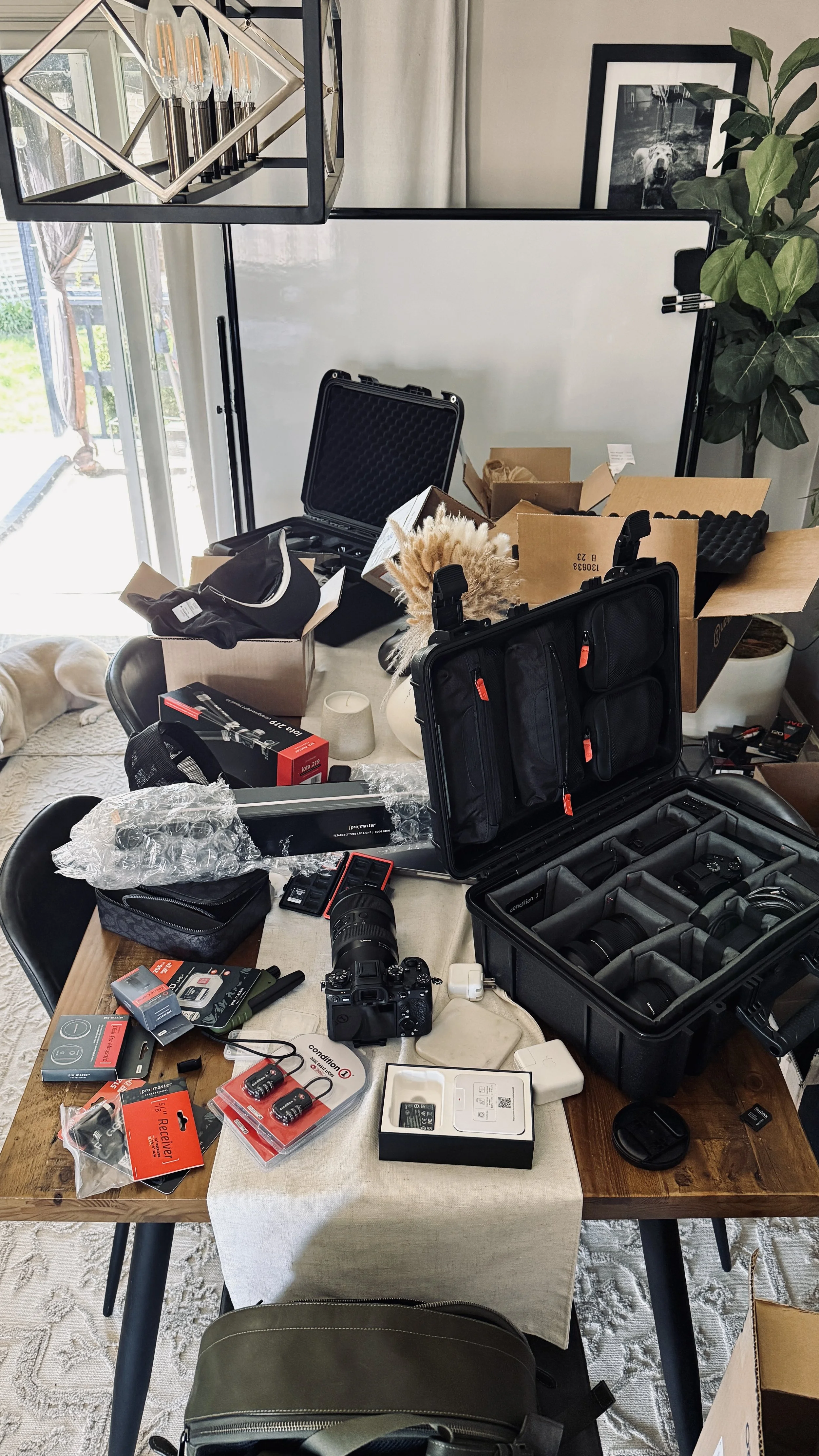
The product itself — in sellable condition Ship it the way you'd ship it to a customer. Original packaging matters for certain shots — unboxing content, e-commerce images that show the full presentation. If the product arrives damaged, dinged, or missing pieces, the shoot gets complicated fast. Pack it well. Use proper padding. Don't cut corners on shipping to save a few dollars on a project you're paying for.
A brief — even a simple one A single page or email with the basics: brand name, product name, key features you want highlighted, any specific angles or use cases, color preferences, anything you've seen that you like as reference. The more context a photographer has going in, the better the output. You don't need a 20-page creative deck. You need enough direction to make the shoot purposeful.
Your contact information Sounds obvious. It's not always included. Make sure someone is reachable for questions before and during the shoot.
Any specific requirements for the product after the shoot Most of the time, products stay with the photographer. Product is typically factored into the quote for the project — it's part of the cost of doing business, and most photographers aren't running a return operation. If your product needs to come back — a prototype, a loaner, something that can't be replaced — say that upfront before anything ships. Not after. If it's agreed on at the start, returning it is not a problem. If it's sprung at the end, it creates friction that didn't need to exist.
What Happens to Your Product After the Shoot
For most standard product photography projects, the product stays. It's included in the quote. You're not renting access to a photographer's studio and skills — you're paying for content, and the product offsets a portion of that cost in the overall project scope.
This is how it works at ISJDESIGNS. When a brand ships product for a photography or video project, that product is part of the arrangement. Files are delivered, the product stays. If a specific product needs to be returned — and that does happen — it gets discussed before the agreement is signed, not after the box shows up.
The Short Version
Reach out before you ship anything
Agree on scope, deliverables, and budget first
Send the product in proper condition with original packaging when relevant
Include a brief with direction and reference
Be clear upfront if you need the product returned
Expect professional results when you treat it like a professional engagement
Blind-sending product and hoping for content is not a marketing strategy. A real collaboration with clear expectations and a budget behind it is. The brands that understand this get content that actually performs. The ones that don't are just filling photographers' shelves.
Ian Jones is a Pittsburgh commercial photographer and product photographer serving brands nationwide. Products can be shipped to the ISJDESIGNS studio in Bridgeville, PA for photography, video, and UGC content creation. Start a project here.