If you've been hearing the term UGC thrown around and aren't totally sure what it means or why brands are suddenly budgeting for it, this post breaks it down — what it actually is, why it works, and what a real UGC collaboration looks like from the creator side.
What UGC Actually Means
UGC stands for user-generated content. Originally it meant exactly what it sounds like — content created by real customers and users, organically, because they liked a product enough to post about it. A customer unboxing something they ordered. A review video shot on an iPhone. A photo posted to Instagram with a brand tagged.
That still exists. But the marketing world figured out quickly that this kind of content — raw, authentic, shot by a real person in a real environment — performed significantly better in ads and on social media than polished brand-produced content. It felt real because it was real. People trusted it.
So brands started paying for it.
Today, UGC content creation is a professional service. Brands hire creators to produce content that looks and feels like it came from a genuine customer — because the authenticity is the point. The creator is a real person with a real perspective, real gear, and a real style. The content just happens to be made intentionally for the brand's marketing purposes.
Why It Outperforms Traditional Ads
Scroll through your Instagram or TikTok feed for five minutes and pay attention to what stops you. It's rarely a polished brand ad with perfect lighting and a voiceover. It's someone talking directly to the camera. It's a product being used in a real setting. It's content that doesn't immediately register as an advertisement.
That's the value of UGC. It meets people where they are, in a format they're already consuming, without triggering the mental filter people apply to obvious advertising.
Brands spending money on paid ads have figured this out. UGC-style creative consistently outperforms traditional ad creative in click-through rates, engagement, and conversion — especially on TikTok, Instagram Reels, and YouTube Shorts. When a brand can take a piece of UGC content and run it as a paid ad, they're combining the authenticity of organic content with the reach of a paid campaign. That's a powerful combination.
The Menu Analogy — Why Brands Use Multiple Creators
Here's something worth understanding about how smart brands approach UGC: they don't want everything to look the same.
Think about it like a restaurant menu. A brand working with multiple UGC creators is essentially building a menu of content styles they can pull from depending on the campaign, the platform, and the audience. One creator has a cinematic, high-production style. Another shoots handheld and casual. Someone else does comedy. Someone else does detailed reviews. The brand can say — we want this style for this launch, and that style for that campaign.
When a brand's entire marketing library looks identical, nothing stands out. UGC solves that by introducing variety while maintaining a baseline of quality the brand is comfortable putting their name on. It's not random. It's a deliberate strategy to keep content feeling fresh across different audiences and platforms.
This is why established brands don't just work with one creator. They build relationships with several — and when something new is coming, they reach out to the creators whose style fits that specific product or campaign. That's how it works at the professional level.
What a Real UGC Collaboration Looks Like
From the creator side, a legitimate UGC project starts with a conversation. A brand reaches out — or a creator pitches — and both sides agree on what's being made, where it's being used, and what it costs. Product gets shipped. Content gets created. Files get delivered. Simple.
What it doesn't look like is a brand mailing a free product to a creator with a card that says "hope you love it!" and an Instagram handle to tag. That's not a collaboration. That's a brand hoping to get free marketing out of someone's audience without paying for it. It happens constantly and it's not a strategy.
Real UGC work is paid work. Creators with professional equipment, established audiences, and a track record of producing content that performs are not working for free product. The product is part of the arrangement — but it doesn't replace a fee.
At ISJDESIGNS, UGC content creation is custom quoted per project. Every brand, every product, and every campaign has different requirements. Some projects are photography only. Some are short-form video. Some are both, optimized for multiple platforms. The scope drives the number. But to set expectations clearly — this is professional creative work and it's priced accordingly.
What Makes a Good UGC Creator
Not everyone with a camera and a decent following is equipped to create UGC that actually works for a brand. Here's what separates the ones worth hiring:
They understand marketing. Good UGC isn't just a pretty video. It's content built with a purpose — to stop the scroll, communicate a benefit, and drive action. A creator who thinks like a marketer produces content that performs. A creator who just thinks about aesthetics produces content that looks nice and does nothing.
They have real equipment and real skills. The "authentic" look of UGC doesn't mean low quality. It means the content feels genuine, not that it's shot on a potato. The best UGC is produced with professional gear and edited with intention — it just doesn't look like a TV commercial.
They have established brand relationships. Brands don't keep coming back to creators who are difficult, inconsistent, or produce content that misses the brief. Long-term relationships in this business are built on reliability, communication, and results. When a brand has a product launch and reaches out to specific creators they've worked with before, that's the outcome of doing the work right.
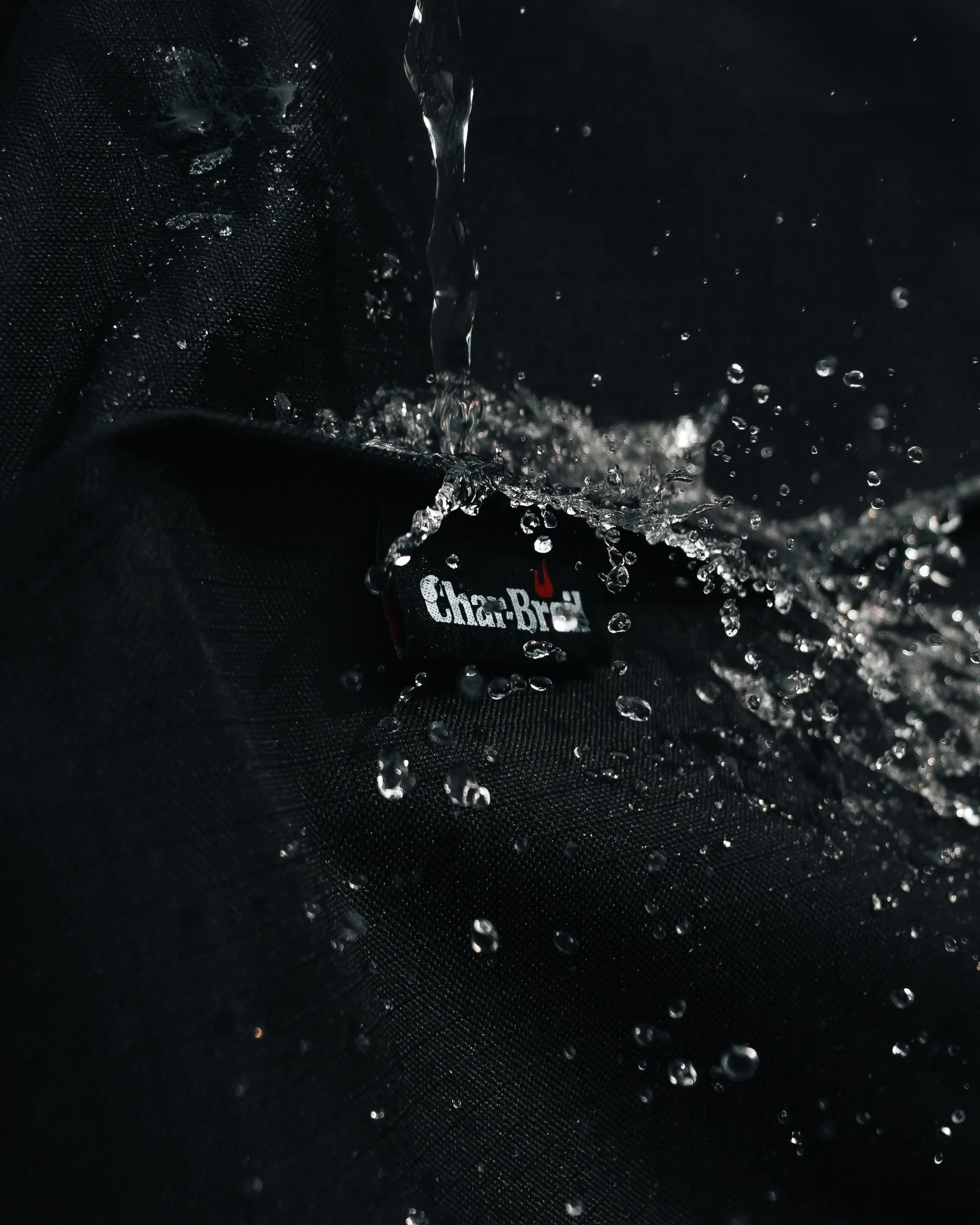
They have creative control built into the process. The best collaborations give the creator room to work within a direction, not a script. Here's a real example of why that matters. I worked on a national summer campaign with Char-Broil — a large content project where they needed a range of clean, brand-appropriate imagery. I delivered what they asked for. But I also did what I always do: I made the shot I wanted to make. That Char-Broil grill cover photo with water pouring directly onto the logo — that was mine. Not in the brief. Just the way I saw it. Their response was that it was the coolest a grill cover had ever looked in their content library. It's not a technically difficult shot. But it's the shot you make when you're thinking like a creative, not just a camera operator. That's the difference between a brand hiring someone who knows how to use a camera and a brand hiring someone for their vision. When a brand trusts a creator enough to let them work, that's when the content that actually stops the scroll gets made.
Who Should Be Investing in UGC
If you're a brand selling a physical product and you're not using UGC as part of your content strategy, you're leaving performance on the table. This applies specifically to:
E-commerce brands running paid ads on Meta or TikTok
Consumer product brands launching new SKUs and needing launch content fast
Tech and gear brands whose products need to be shown in use, not just on a white background
Food and beverage brands that benefit from lifestyle content showing the product in real settings
Outdoor and lifestyle brands whose customers respond to authentic, environment-based content
If your product ships, it can be part of a UGC collaboration. That's the model. Ship it, the content gets made, the files come back ready to use.
The Bottom Line
UGC content is not a trend that's going away. It's become a core part of how brands build marketing libraries, run paid campaigns, and stay visible across platforms without everything looking like an ad. The brands winning on social right now are the ones who have figured out how to use authentic creator content at scale.
If you're a brand with a product that needs content — photography, short-form video, lifestyle shots, launch assets — and you want to work with a creator who shoots at a professional level and understands what makes content actually perform, that's exactly what this is.
Reach out here to start the conversation. Or learn more about UGC content creation at ISJDESIGNS.
Ian Jones is a Pittsburgh-based commercial photographer and UGC content creator working with brands nationwide. ISJDESIGNS produces photography, short-form video, and branded content for product launches, paid ads, and social media campaigns.